Category: Reviews

  • Harmony or distraction? Music in Listen to the Universe (A review)

    Harmony or distraction? Music in Listen to the Universe (A review)

    Here’s a little trivia about the Oscars: Did you know that there is an existing category called Best Original Musical in the Academy Awards? However, since it was established in 2000, no year has seen enough original musical films (read: not an adaptation) for a competition to be considered (there must be at least 10).

    But the thing in the rules for this category that made me remember that trivia in relation to Listen to the Universe is the qualification of narrative relevance. To be considered, the music in the film “must further the storyline of the motion picture.” This is different from the film’s score, or say, a soundtrack that goes with the movie but exists outside of the narrative, both of which usually only serves to heighten the emotional aspect of the work.

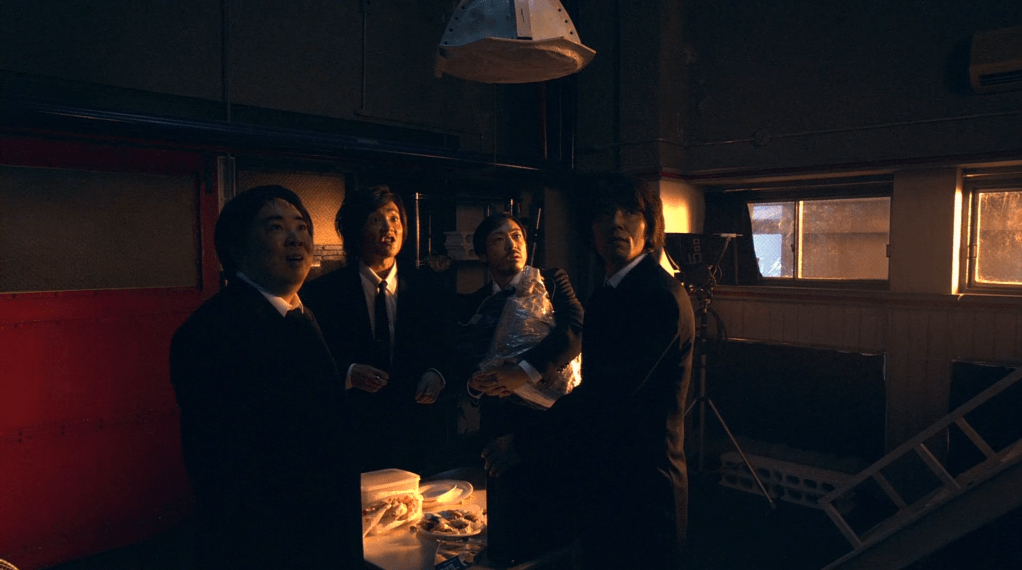
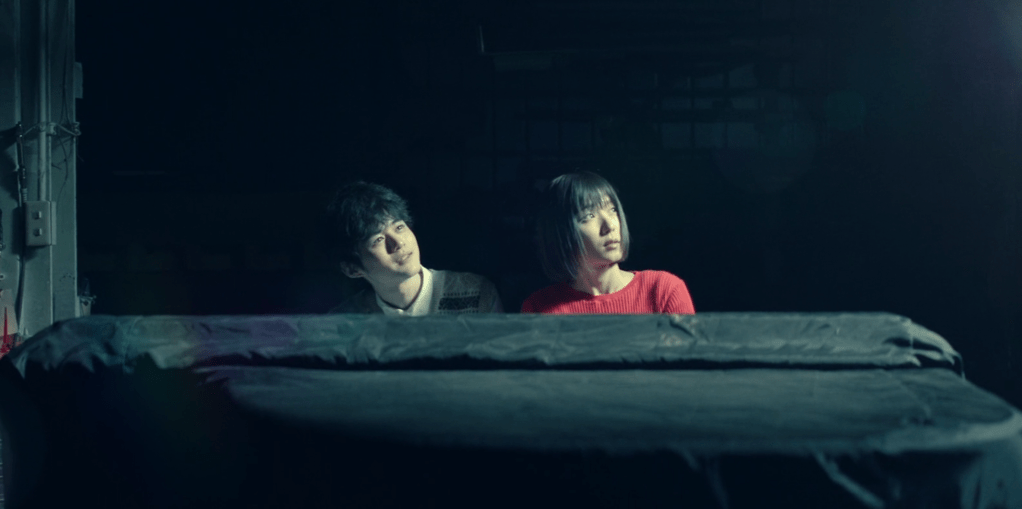
    I am bringing this up because in the case of Listen to the Universe, the music and the musicianship of the four competing young concert pianists are too much at the center of the story that it begs the question: Do these musical pieces, especially the classical ones, “further the storyline of the motion picture?”

    There’s no question about whether music belongs in the film; the score is expertly crafted. But how does Clair de Lune or Rachmaninoff’s Piano Concerto no. 3 move the story forward? Why were these pieces chosen and not the others? While undeniably beautiful and significant, they ended up stealing the show without contributing much to the plot or character development. Their complexity, while impressive, can be intimidating to ordinary viewers, narrowing the film’s potential audience.

    This point about “ordinary people’s music” versus the highfalutin fare that the elite usually enjoys has been tackled but quite insufficiently to make a solid emotional impact. Aside from that, the film also attempts to explore a range of other themes: artistic inspiration, the nature of genius, and the purpose of art in the artist’s life.

    But with four distinct performers, it struggles to dive deeply into any one theme. The subplot involving one character’s journey with grief, which seems to be the movie’s emotional core, feels underdeveloped and doesn’t quite land, although the character’s rousing final performance offers a brief emotional payoff.

    That said, Listen to the Universe has its strengths. While none of the actors are actual concert pianists, their performances—directed by Kei Ishikawa—are convincing. Along with nimble editing, the film made virtuosos out of them.

    And where the film falters in using music as diegetic sound, it compensates with a striking score. The score and the visuals work together, contrasting or complimenting each other to heighten the “textures” or the “feel” of various scenes so that in some ways, the harmony between humanity and the universe that the title evokes somehow rings true.
  • Woman in the Dunes, dir. Hiroshi Teshigahara (1964)

    Woman in the Dunes, dir. Hiroshi Teshigahara (1964)

    “Isn’t it exhausting, walking around so aimlessly?”

    Those searing and profound words, uttered by the titular character and what I think is the core of the film’s pathos, would find incredible vindication in the unfolding of this ambitious work of cinema. I usually write these “reviews” as if I’m thinking out loud, but the experience of watching Woman in the Dunes is so astounding I’m still trying to organize my thoughts on the breadth and depth that this film explored regarding the fundamentals of human nature.

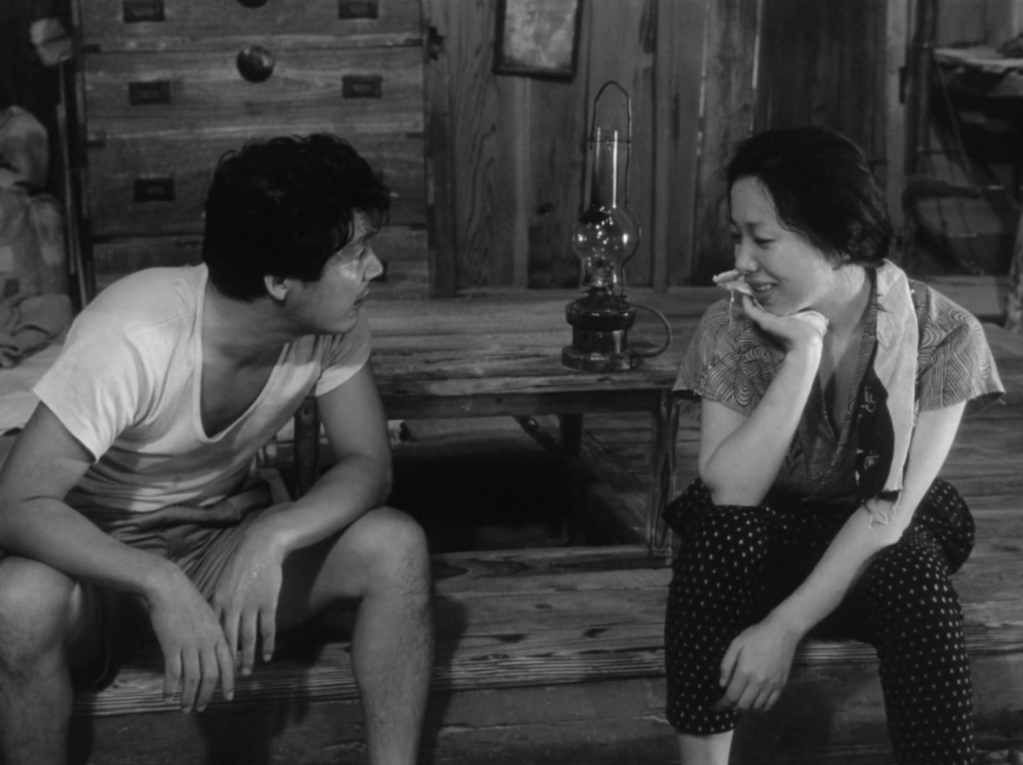
    The narrative premise of the film is not unique but as with other great films, the proof is in the showing (and not just the telling). The camera work in this film is one of the most effective I’ve seen in Japanese cinema, making you feel what’s happening more than just making you know. The hyper close-up shots of skins, eyes, hair, and pores, juxtaposed with shots of slow-moving sand dunes buffeted by the wind are not just claustrophobic—they’re carnal. There’s such a sensual quality to the images of the dunes dripping like bodily fluid, but the hydraulic quality also gives off the sense that the dunes are about to fall on you and trap you, in the way they threaten the characters. The claustrophobia gets to your skin then through to chill your bones, as if you’re watching horror fare without the ghosts and the jump scares.

    But just as the oasis have to be dug up so are the more precious gems of film can be found deeper in the story. Aside from being a visual treasure, this film is a commentary on our understanding of the basest drivers of human existence, those that set us apart from animals. It is a debate between tradition and modernity, between self and community, between being firmly rooted and starting anew. Throughout the film, one will be disappointed by how contented people can be in situations that seem to hostage them, until one realizes that they themselves might also be in situations where they are “trapped” yet have no will to get out because that’s what they have been used to. Habit then becomes the enemy of progress and freedom. Or is it? Are progress and freedom even that desirable? Those are some of the big questions that this movie leaves.

    I didn’t mind how the movie is quietly triumphalist in the end. First, because it was not patronizing. Second, and more importantly, the film earned it both narratively and emotionally. By emotionally, I meant that the film retained its pathos while being satisfying in the end. There is resignation, yes, but there is also hope, purpose, and creativity, those qualities that set us apart from other creatures and ensured the survival of our species from the beginning.

  • Maborosi, dir. Hirokazu Kore-eda (1995)

    Maborosi, dir. Hirokazu Kore-eda (1995)

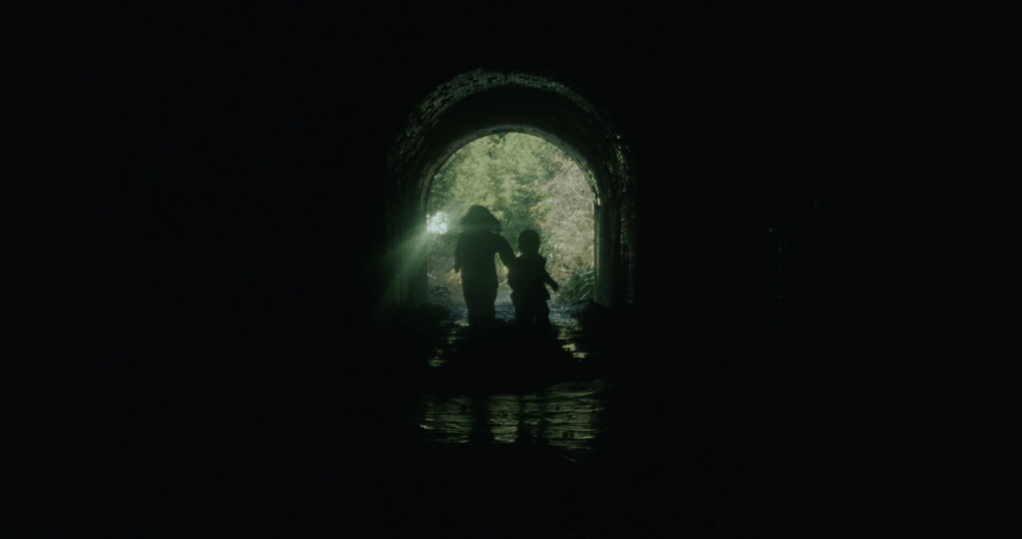
    Light is the language of cinema, and this work is an embodiment of that fundamental truth about films. In Hirokazu Kore-era’s first full-length narrative feature, light is not just what goes into the camera—it is a character of its own masterfully directed to play a silent but important role in the story of a quietly unfolding grief. The film, after all, is called Maboroshi no hikari, or an illusion of light, and while that refers to an important plot point, it is nevertheless an appropriate reflection of the way Kore-eda worked low-key magic with how he wielded light in this film.

    This film is patient, and it is smart about where to spend what kind of shot and for how long. As such, it requires the same patience from its audience. Sequences and scenes are not lingering here, they are downright long in a way that the passage of time fills you. The story is actually very, very simple and is captured in a penultimate scene but I believe that the point of the film is to elucidate humanity in sadness through visual storytelling. 

    That the film is full of long takes doesn’t mean it’s boring. On the contrary, I think this is one of Kore-eda’s most beautifully shot movies. From the raw but cleanly composed urban scenes of Osaka, to the breathtaking wide-angle sweeps of the ocean in a coastal town along the Sea of Japan, this movie has that signature Kore-eda polish while still somehow looking very grounded. Masayuki Suo’s Shall We Dance? and its similar mise-en-scene that is almost feels unstaged came to mind while watching. My favorite is the funeral procession scenes, both the overhead shot and the ultra-wide shot backgrounded by the sea and a dark sky. They are unassuming but they are two of the most memorable I’ve seen so far in Japanese cinema. 

    As I’ve been tracking year’s best Japanese films based on awards from the 40s to the present, I thought that Maborosi would have a place among those honored for 1995. But that year was dominated by A Last Note of veteran director and screenwriter Kaneto Shindo, winning all best film honors from the five longest-running awards that year and deservedly so. (Maborosi was very hot in the international festival circuit though). I think it’s always futile to compare which is the better film in context of awards because of myriads of reasons (incl. differences in awards constituencies, etc.). However, if one wants to know the best films in Japan in 1995, Maborosi would definitely be among them. Heck it was in Roger Ebert’s year-end best-of-the-year list.

  • Kisaragi, dir. Yuichi Sato (2007)

    Kisaragi, dir. Yuichi Sato (2007)

    It’s not all the time that you come across a movie that’s thoroughly and genuinely entertaining and at the same time an empathetic, grounded, and most importantly, relevant commentary on contemporary society. 

    Kisaragi is both. The entertainment aspect is hard to miss and it’s built within the premise of the movie. Five die-hard online fans of Miki Kisaragi, a low-level idol who allegedly committed suicide, decided to meet in-person for the first time to commemorate her 1st death anniversary. The commemoration quickly evolves into an “investigation” into whether she really took her own life. Twist after twist about the incident and the true identities of these “fans” made for a wild ride in a rollercoaster of emotions, one that is not shallowly contrived and is consistent to the emotional core of the whole movie throughout. That it was 2007, during the era of nascent social media, when online social fandoms were also only gaining ground across the world, make for a curious context that will have viewers amused at the idiosyncrasies of online interactions between fans during that time, and at the same time, realize that some of the same fandom idiosyncrasies still exist today. 

    And there also lies the potent social commentary that Kisaragi is. It’s thoroughly empathetic to the fan in that while it finds comedy in the very things that make fans fans, it doesn’t make fun of them. We will always find weirdness in other people, or perhaps, in ourselves, of the way we are as fans of whatever or whoever we are fans of, but Kisaragi finds the humanity in those things. It’s curious how the film has withheld the face of Kisaragi until the very end, because our initial instinct as viewers most probably would be to know whether this idol is beautiful and worth fawning over. But this is the commitment of the film towards focusing on the five fans, although it has its own commentary on the idol life as well as the parasocial relationship existing between them and their fans.

    I love how by the end it was completely satisfying both as entertainment and as an introduction to fandom culture. But aside from these, the film also leaves you with questions to reflect on after. Things like, how much influence do fans exert over the intensely personal aspects of idols’ lives, or what kind of expectations are fans entitled to from their idols. Japan, even before the world got into K-Pop and such, had a very strong idol scene that has attracted legions of fans and gave birth to phenomena such as “herbivore men”. An appreciation of this film would therefore be more complete with those aspects in mind.

  • Swimming gracefully: Imamura’s The Eel (A review)

    Swimming gracefully: Imamura’s The Eel (A review)

    In films like this, where a central object of curiosity is highlighted by the title (in this case, the eel), it’s easy to become fixated on it and overlook other important aspects that deserve attention.

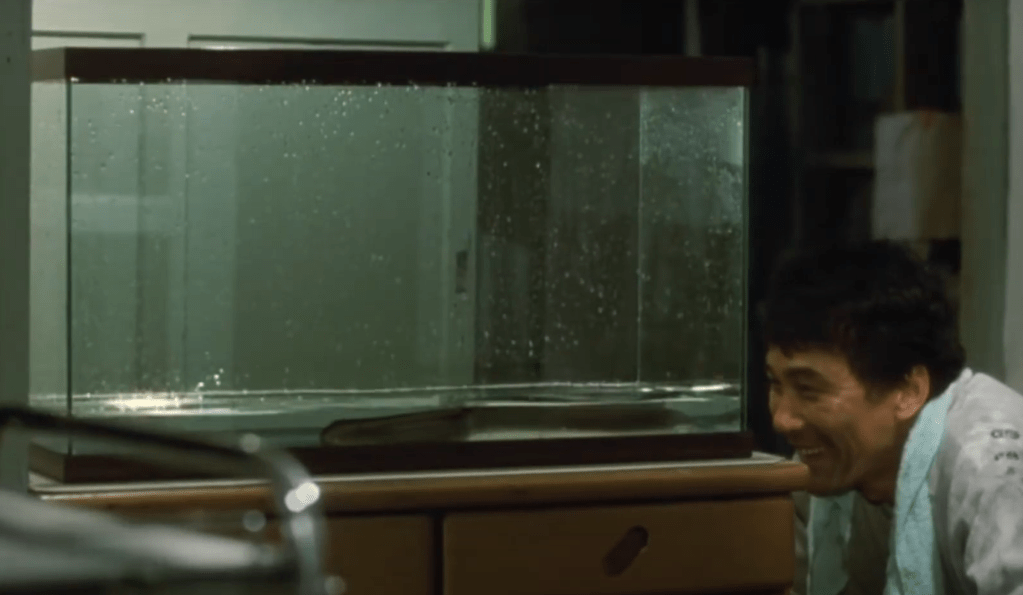
    As I watched the film, I found myself consumed by the question, “What did the eel symbolize?” Was it simply a pet, a representation of the protagonist’s traumas, both external and self-inflicted? A symbol of his growth, with the eel embodying both his “before” and “after”? Was it his conscience or alter ego?

    A deeper analysis could support all these interpretations, and indeed the eel itself warrants close visual and narrative analysis, as it’s crucial to the story. But The Eel deserves appreciation beyond its symbolism, as this Palme d’Or-winning work of Shohei Imamura shines in many other aspects.

    This includes the powerful depiction of both honne (true inner feelings/true self) and tatemae (outward actions) by the lead actor, a young Koji Yakusho, who just recently (2023) won the Best Actor award at the Cannes for another film. Playing a former convict on parole, Yakusho was effective as the measured man who knew he has paid for his crime but is still racked up by the trauma of that past.

    Imamura’s signature visual style also stands out, showcasing “rawness” within graceful compositions and well-blocked mise-en-scène. Much like in The Ballad of Narayama (animalistic passions alongside dignity in death), Vengeance is Mine (serial murder and incest next to gentlemanliness), or Black Rain (the grim effects of atomic bomb radiation alongside quiet rural scenes), The Eel juxtaposes orderly domestic life with bloody violence. Imamura, like the eel, can swim gracefully between these contrasts, making them into works of cohesive wholes that are still appreciated until today.

    This style also allowed him to compellingly create what I think (so far, among the four that I’ve watched) is the film with most diverse set of characters. While depth could reasonably be expected only of a few of the characters given the restrictions of the medium, The Eel is able to provide a realistic response to the question of how a society reacts to ex-convicts in its showcase of a colorful cast of characters, all very human.