Tag: comedy

  • Such lightness of being: Momoko Ando’s ‘0.5 mm’ (A review)

    Such lightness of being: Momoko Ando’s ‘0.5 mm’ (A review)

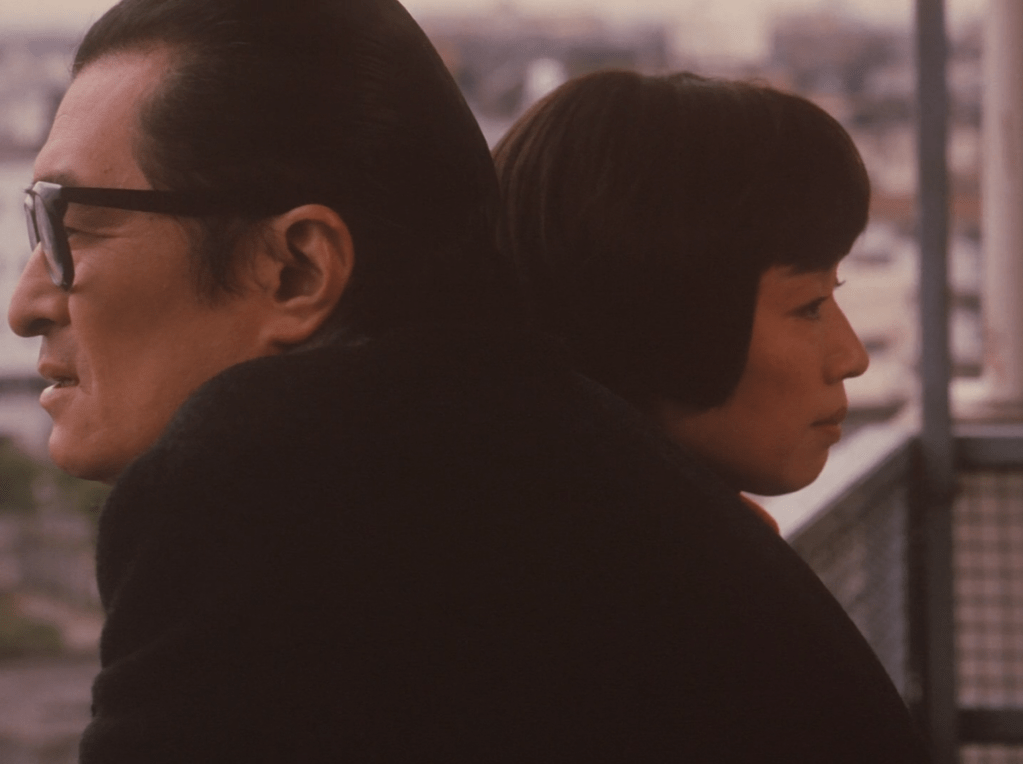
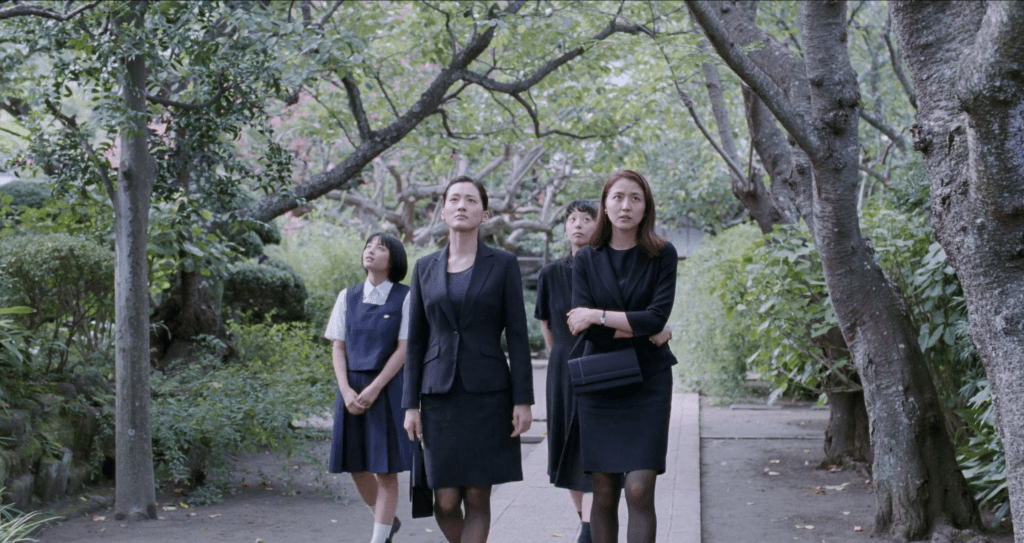
    It’s not an easy feat for a film to be lengthy, entertaining, and profound all at the same time. Yet Momoko Ando’s 2014 masterpiece 0.5mm is all three, and then some. 

    With a runtime of three hours and 18 minutes, this film is expansive not just in length but more so in its thematic ambition. 0.5mm is a singular achievement not only for Ando, who is both the film’s director and screenwriter, but also for her sister, Sakura, and her ineffable and career-defining take on the caregiver-vagabond Sawa Yamagishi. Sawa embodies a certain “lightness of being” that, contrary to the title of the famous novel, is not unbearable. This lightness extends to the whole of the film itself, so that it is both profound and outrageously funny. 

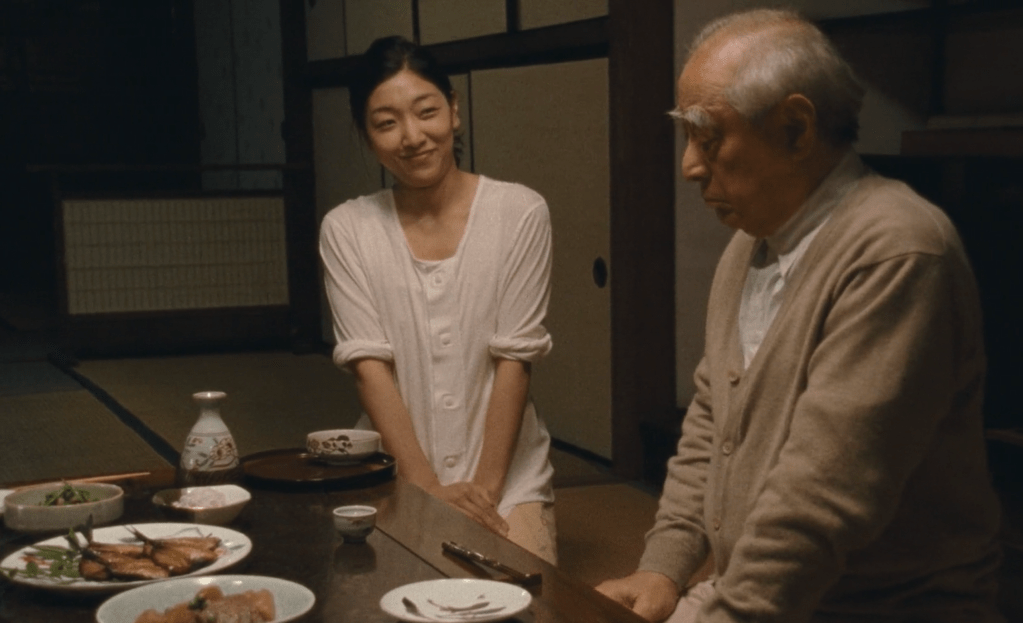
    Set, it seems, in the late 1980s to the early 90s, the film is divided into four parts: a prelude where Sawa is introduced as a caregiver of a bedridden elderly man, two acts where she would live with and care for two other elderly men, and a final act of resolution that harks back to the prelude. Throughout, Sawa’s character moves through the film with what I’d call “buoyant grace”—unattached, adaptable, and at times, mischievous. But while she is physically a drifter (and a mysterious one at that), she is not aimless.

    Sawa is not just a character—she is also a remarkable narrative device by which the film becomes an epic and complex meditation on human connection, the loneliness of the elderly, and the strange forms that kindness can take. It is through Sawa and her relationships that seemingly disparate themes such as the war nostalgia of elderly Japanese men, the collective versus the individual, the male gaze, and the kindness and seductiveness of a woman as both wife and caregiver come together and come alive.

    Among those themes, the latter two are particularly prominent. They could’ve been touchy subjects, if not for Momoko’s writing and Sakura’s acting. Their collaboration made for a deft portrayal of how a woman makes peace with society’s patronization and misogyny, subverting them to gain power that is not only seductive but more crucially, substantial, generous, and real.

    Sawa’s “feminism,” if you could call it that, is not vindictive nor activist—it’s human through and through. One recurring incident in the film highlights this. Sawa’s drift, it seems, is to catch elderly men in scandalous, reputation-wrecking moments and use these to “coerce” them to let her live with them. However, she would use the power she gains not to extort nor to persecute, but to care, quite literally. In each case except the prelude, Sawa brings and inspires order and healing in the lives of the elderly men she was involved with.

    I may have made Sawa sound extraordinary, but what lingers most is her plain, unadorned humanity. She feels like a mystery only because tenderness and generosity have become rare. 0.5mm is special for letting that quiet humanity shine.
  • Not a review: An initial survey of Japanese cinema

    Not a review: An initial survey of Japanese cinema

    Full list here with ratings and short reviews for each film: https://boxd.it/CUx1G

    One of my movie-watching goals this 2025 is to dig deep into Japanese cinema. I thought about going the auteur way (i.e., watch movies by director) but I felt like I wanted to do a proper survey that covers the diversity of what Japanese cinema has to offer in terms of style, themes, genre, and form. With that in mind, I thought that going over all the winners of the Japan Academy Film Prize Picture of the Year award would be a good start.

    I understand the limitations of this approach. In terms of historical scope, the Japan Academy awards has only existed for 48 years. I view this positively as I didn’t want to dive head on into older works while I try to get used to how the Japanese create films, both in form and content.

    Secondly, film academy awards such as the Oscars and the BAFTAs are not always viewed positively for a myriad of reasons, and the Japan Academy Film Prize is not an exception. However, I chose to watch this list first, and not, say, Kinema Junpo’s list of Best Films (annual, not the top 100), because the fact remains that academy awards are unique in that they are chosen by those who work in the film industry itself–producers, directors, actors, editors, cinematographers, etc. I’m always fascinated by how artists view theirs and others’ works, vs. non-artists, critics and the masses (all of which are also equally important constituencies). I think this kind of reflexive exercise is all the more important in the motion picture arts, which almost always involve more than one person in the creation process.

    Are these movies the best that Japanese cinema can offer? The word “best” is always contentious, and admittedly, some of the works in this list I personally thought were undeserving given the competition they had during the years they were given the award. Some were downright disappointing. Curiously, it doesn’t have one film by one of the two “winningest”** directors in Japanese cinema, Akira Kurosawa, although he wrote the screenplay for one. (The other winningest director, Shohei Imamura, has three in the list).

    But some have also been universally acclaimed, within and outside Japan. There lies the other thing I was thinking why I wanted to begin with this list. I felt like this is a way for the Japanese film industry to say which films are best for them, that is, according to their own terms and not the terms of the West or Hollywood. Throughout the history of Japanese cinema, Orientalism has been a consistent issue both within the industry and among critics and scholars. Japanese cinema has been curiously seen as “the Other” in contrast to Hollywood/Western cinema, and outsiders have tended to simplify what kind of good should be expected of films from Japan. So while I personally think that Akira Kurosawa is really up there among the great filmmakers of the world and of all time, the fact that he is not in this list is less about him not deserving it but more of recognizing works and filmmakers that have not necessarily made a name in the West but have made significant achievements in appealing to the sensibilities of the local Japanese film audience and industry.

    The films on this list are a very diverse bunch. Aside from two animated movies (both from the legendary Hayao Miyazaki), it has two Godzilla movies, family dramas, a head-spinning psycho-horror, films about dancing, films about dying moms (among five total films about old age!), coming-of-age films, and of course period films and samurai films. I think Ken Ogata has the most lead actor appearance in these films. Some of these are thoroughly entertaining, some requires much patience with the long takes and sparse dialogue and plot that would ultimately be satisfying in the end.

    These are 45 movies and can take a while to get through, but if you’re interested, here are my favorites from each decade:

    1970s-80s

    • A Taxing Woman, dir. Juzo Itami (1987)
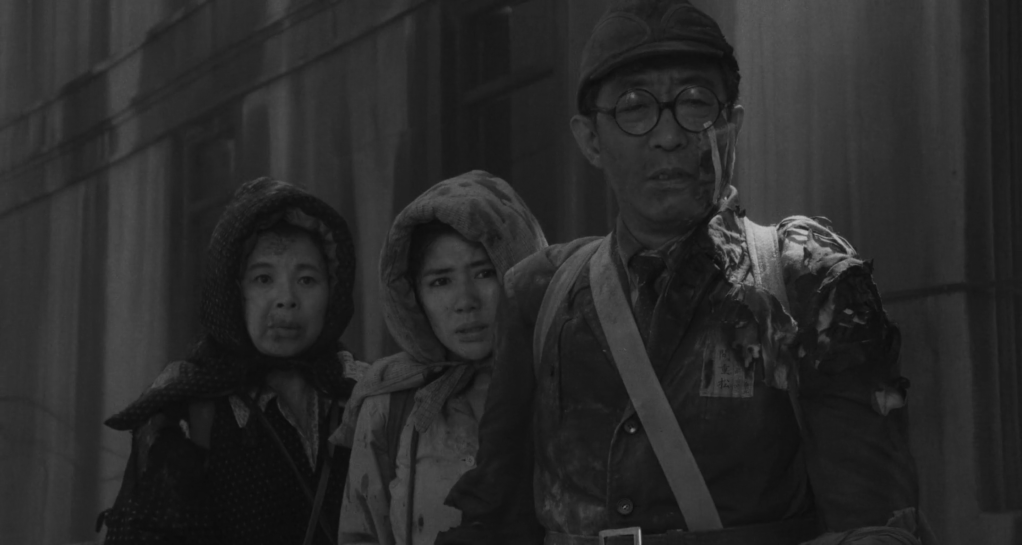
    • Black Rain, dir. Shohei Imamura (1989)
    • The Ballad of Narayama, dir. Shohei Imamura (1983)

    1990s

    • My Sons, dir. Yoji Yamada (1991)
    • Princess Mononoke, dir. Hayao Miyazaki (1997)
    • Begging For Love, dir. Hideyuki Hirayama (1998)

    2000s

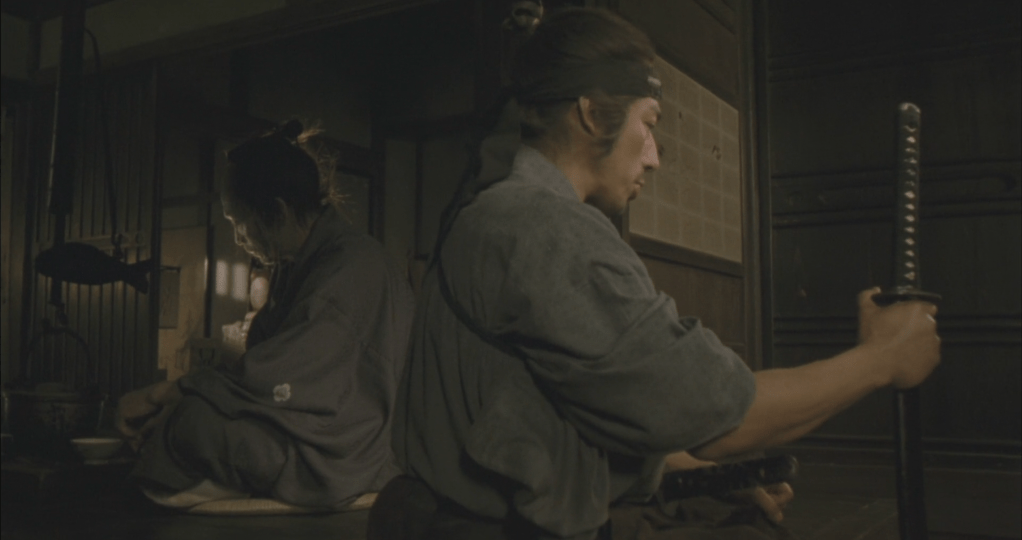
    • The Twilight Samurai, dir. Yoji Yamada (2002)
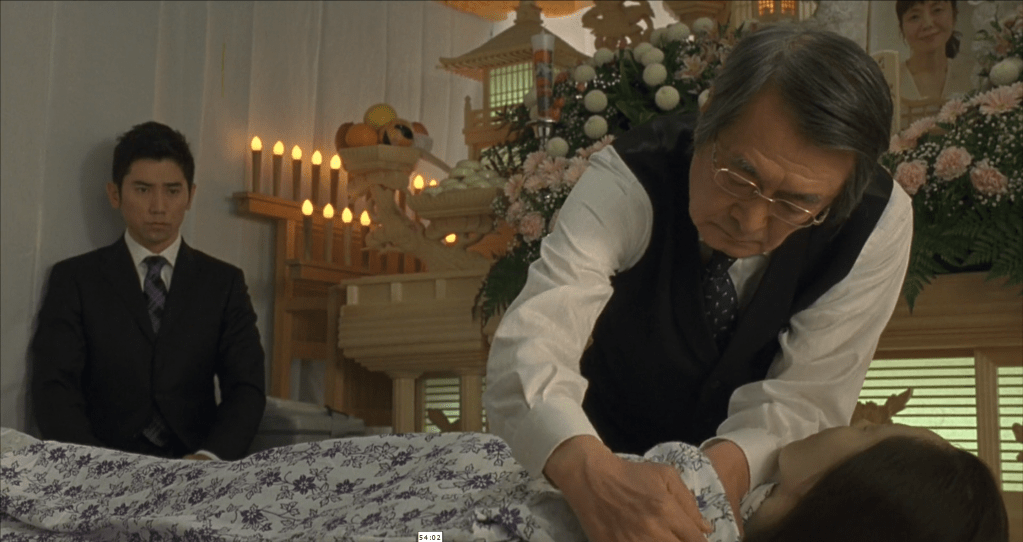
    • Departures, dir. Yojiro Takita (2008)
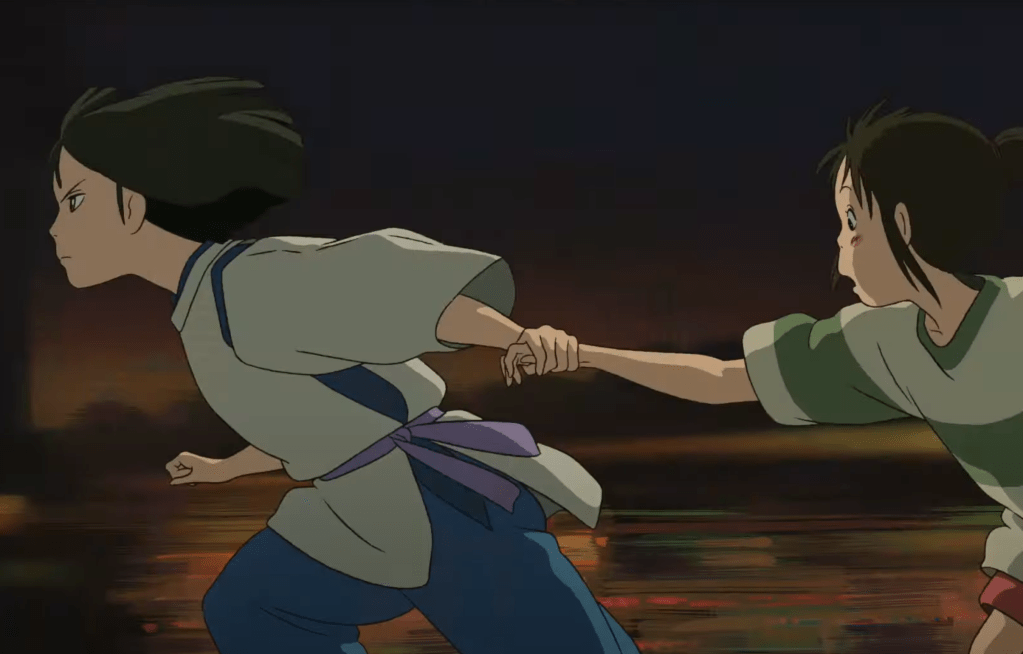
    • Spirited Away, dir. Hayao Miyazaki (2001)

    2010s

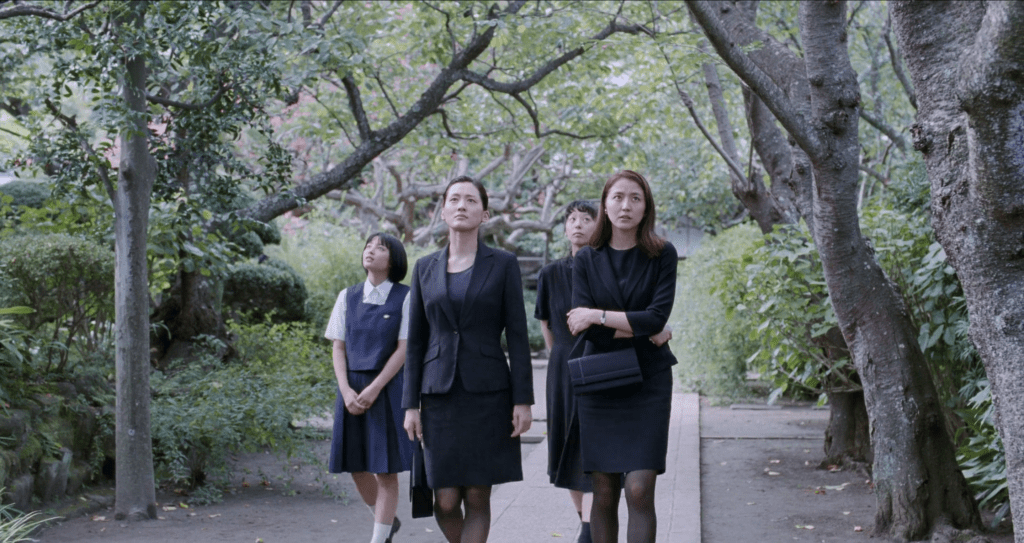
    • Our Little Sister, dir. Hirokazu Kore-eda (2015)
    • Confessions, dir. Tetsuya Nakashima (2010)
    • Shin Godzilla, dir. Hideaki Anno (2016)

    2020s

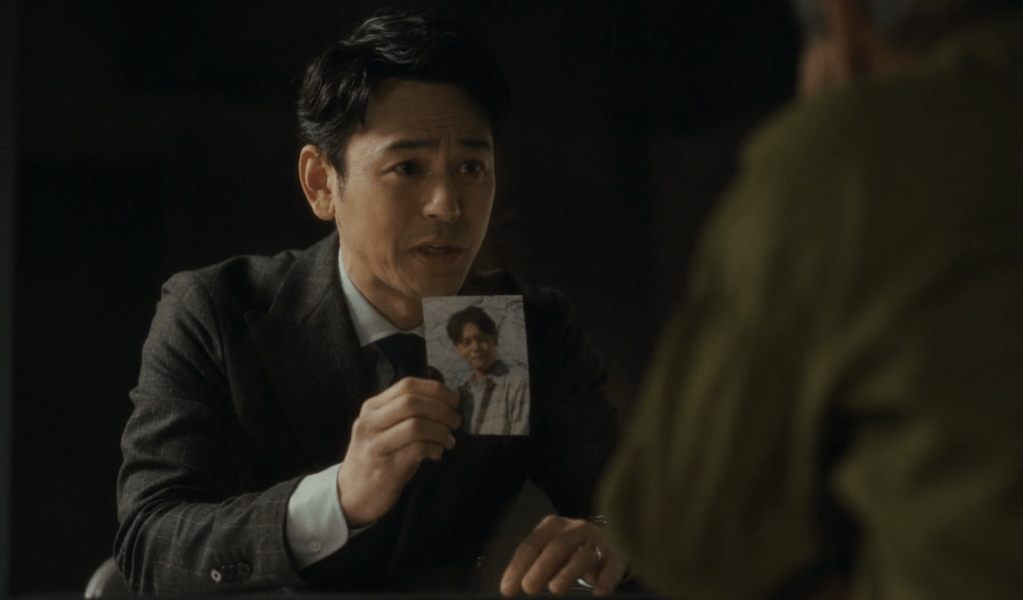
    • A Man, dir. Kei Ishikawa (2022)

    Have you watched any of these 45 films? What are your thoughts and favorites? Let me know in the comments!

    *I can’t find any way to watch Half a Confession (2004) and Rebirth (2011).
    **Obtained the most number of Best Film awards from the five longest-running film awards in Japan since 1946: Kinema Junpo, Mainichi Concours, Blue Ribbon, Hochi, and Japan Academy. Both Kurasawa and Imamura have seven.

  • Kisaragi, dir. Yuichi Sato (2007)

    Kisaragi, dir. Yuichi Sato (2007)

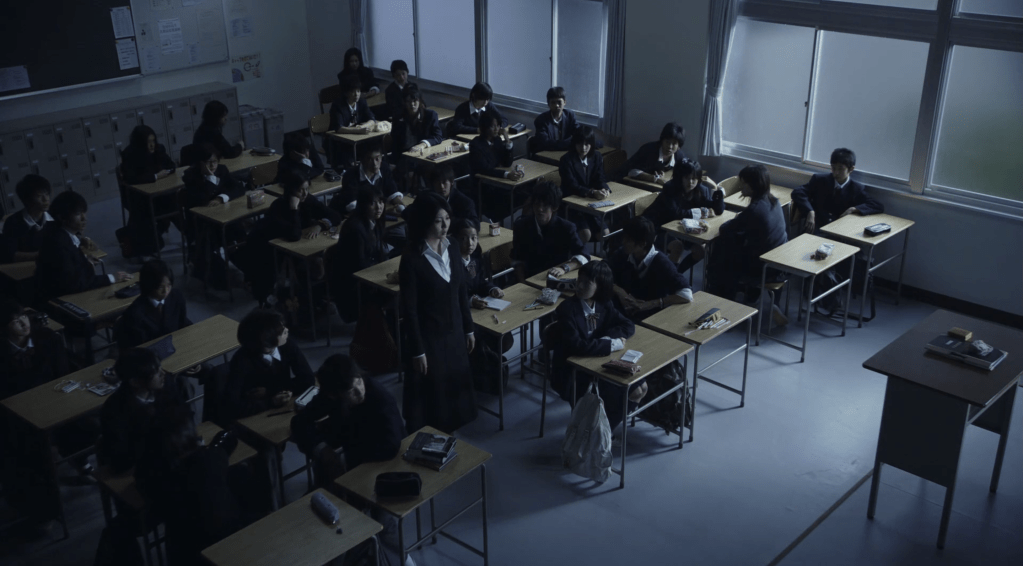
    It’s not all the time that you come across a movie that’s thoroughly and genuinely entertaining and at the same time an empathetic, grounded, and most importantly, relevant commentary on contemporary society. 

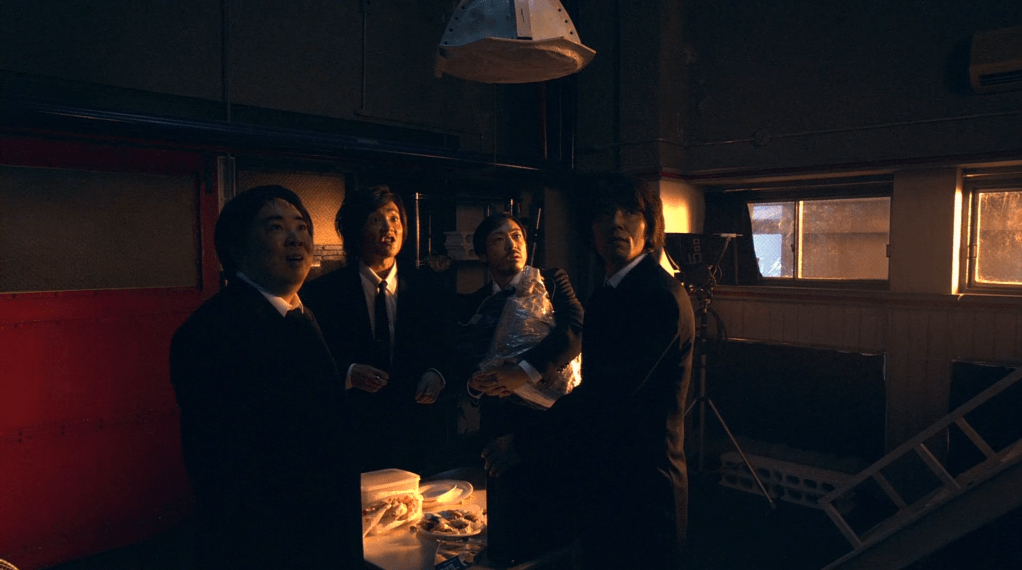
    Kisaragi is both. The entertainment aspect is hard to miss and it’s built within the premise of the movie. Five die-hard online fans of Miki Kisaragi, a low-level idol who allegedly committed suicide, decided to meet in-person for the first time to commemorate her 1st death anniversary. The commemoration quickly evolves into an “investigation” into whether she really took her own life. Twist after twist about the incident and the true identities of these “fans” made for a wild ride in a rollercoaster of emotions, one that is not shallowly contrived and is consistent to the emotional core of the whole movie throughout. That it was 2007, during the era of nascent social media, when online social fandoms were also only gaining ground across the world, make for a curious context that will have viewers amused at the idiosyncrasies of online interactions between fans during that time, and at the same time, realize that some of the same fandom idiosyncrasies still exist today. 

    And there also lies the potent social commentary that Kisaragi is. It’s thoroughly empathetic to the fan in that while it finds comedy in the very things that make fans fans, it doesn’t make fun of them. We will always find weirdness in other people, or perhaps, in ourselves, of the way we are as fans of whatever or whoever we are fans of, but Kisaragi finds the humanity in those things. It’s curious how the film has withheld the face of Kisaragi until the very end, because our initial instinct as viewers most probably would be to know whether this idol is beautiful and worth fawning over. But this is the commitment of the film towards focusing on the five fans, although it has its own commentary on the idol life as well as the parasocial relationship existing between them and their fans.

    I love how by the end it was completely satisfying both as entertainment and as an introduction to fandom culture. But aside from these, the film also leaves you with questions to reflect on after. Things like, how much influence do fans exert over the intensely personal aspects of idols’ lives, or what kind of expectations are fans entitled to from their idols. Japan, even before the world got into K-Pop and such, had a very strong idol scene that has attracted legions of fans and gave birth to phenomena such as “herbivore men”. An appreciation of this film would therefore be more complete with those aspects in mind.

  • Tampopo, dir. Juzo Itami (1985)

    Tampopo, dir. Juzo Itami (1985)

    You know that Scorsese meme that says, “Absolute cinema?” This film is one of those that deserves to be called that. If for Scorsese cinema is

    about revelation — aesthetic, emotional and spiritual revelation…about confronting the unexpected on the screen and in the life it dramatized and interpreted, and enlarging the sense of what was possible in the art form

    then this film can be counted among the most “cinematic”. Far and wide surely there are more entertaining films, more popular films, and even greater films (however you measure greatness) than Tampopo. But watching it from the start you know it is a tour de force of the medium.

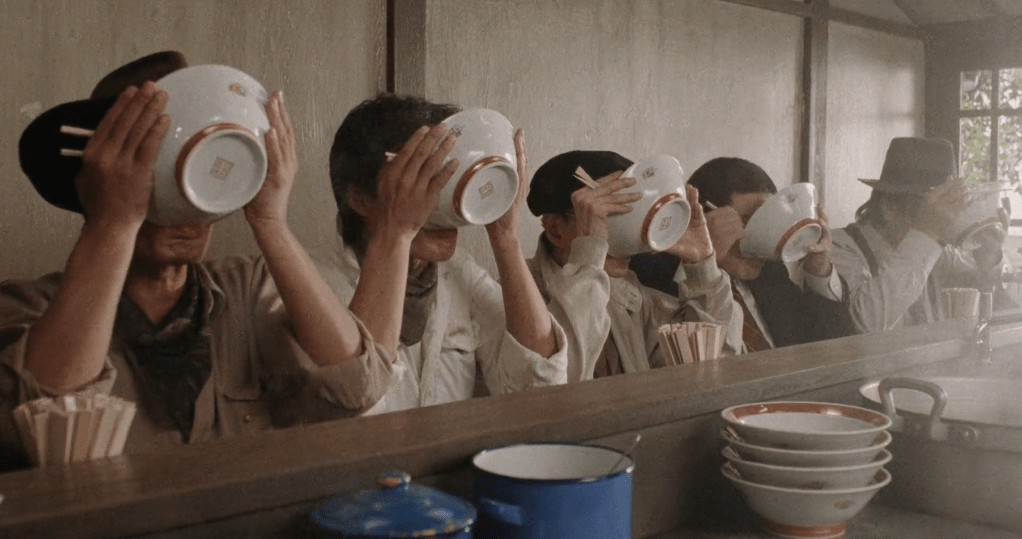
    This film is unmistakably about food (ramen in particular) but it goes as broad and deep as it can to portray an “aesthetic, emotional, and spiritual revelation” about food in a way only cinema can bring. Watching Tampopo, you’ll get to taste and savor through your eyes—the spectacles of food and passion is raw and delicious, even delirious at times. There is a certain spiritual quality in the way food and sex are juxtaposed and not in the sense that these are gods or idols that humans “worship” but that both food and sex (and in one scene, food in sex) bring about such a sensory element to self-actualization.

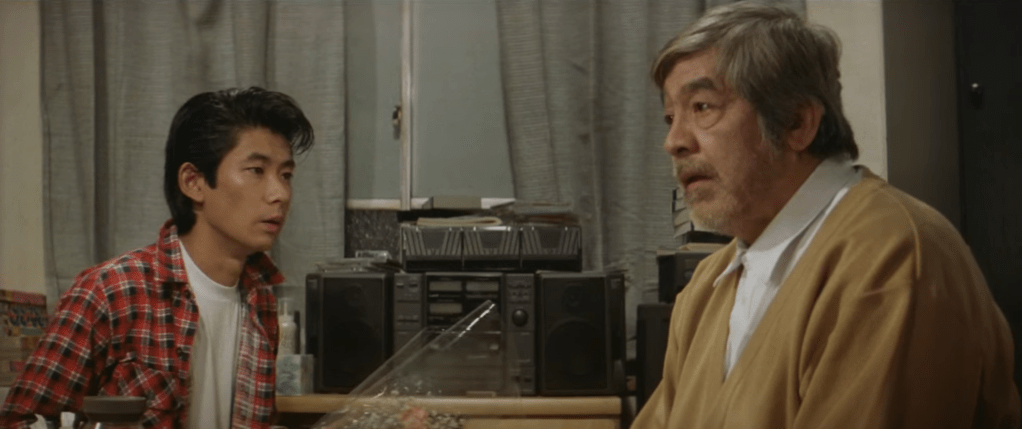
    It may sound abstract but these are all potently brought to life by the comedy and the teamwork of Juzo Itami’s frequent collaborators, his wife Nobuko Miyamoto and Tsutomu Yamazaki. This is my 3rd Itami-Miyamoto-Yamazaki film (the other two being The Funeral and A Taxing Woman), and I can say that I’ve grown fond of the three, especially the chemistry between Miyamoto and Yamazaki. I’m really glad that I watched A Taxing Woman before this although this one is an earlier work. All I can say that there is magic when the two are together in a scene (the final scenes between the two in both films come to mind), and I’m setting out to watch more of their works together (I think there are three more).

  • Of Japayukis and Zainichis: Yoichi Sai’s ‘All Under the Moon’ (1993)

    Of Japayukis and Zainichis: Yoichi Sai’s ‘All Under the Moon’ (1993)

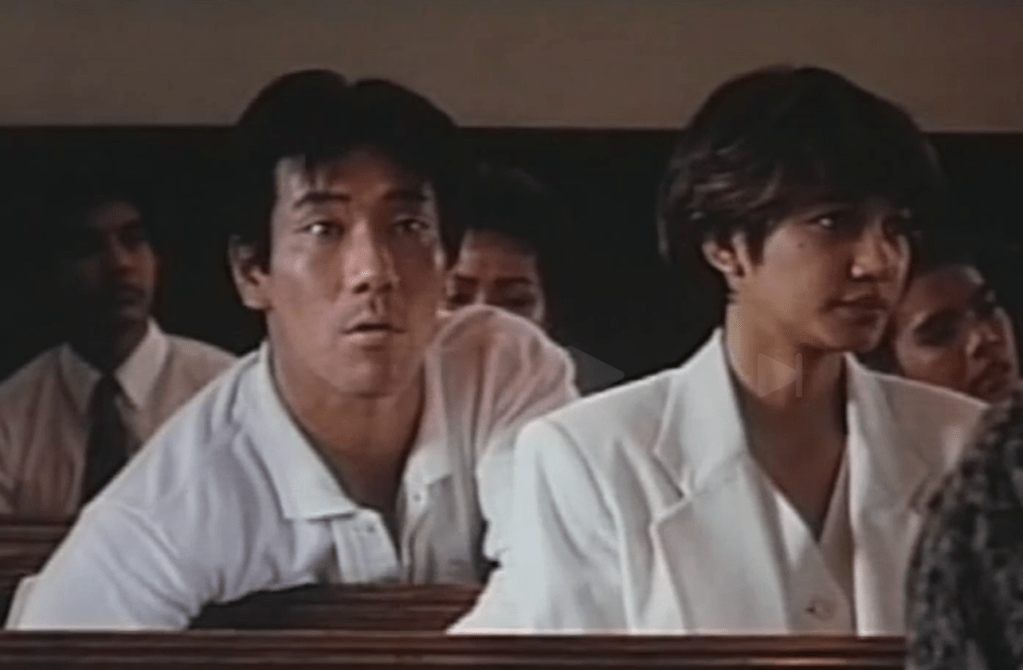
    Perhaps what sets this apart from other movies that portray minority life in a foreign country is how character-focused it is on the two leads—a North Korean Japanese taxi driver and a Filipina japayuki worker. Of course there is a story but the movie is not driven by the plot so much as how it reveals who Tadao and Connie are in their daily lives as workers in the fringes of Japanese society. 

    While there is a running joke about how one character hates Koreans, I felt like discrimination is much lesser of a theme in the film than what the characters represent in terms of the larger realities of their respective ethnicities’ relationships with Japan and the Japanese people during the early 90s. 

    For Tadao and his mother, it’s the painful history between Japan and Korea (back when it was whole). For Connie and her Filipina friends, it’s the promise of upward mobility by earning much more in Japan than in their home country (hence the Tagalog phrase “Japan, Japan, sagot sa kahirapan”–“Japan, Japan, the answer to poverty). That same theme runs, too, through Tadao’s and his mother’s story but it is colored by the tone of a more complicated past. 

    As a Filipino, I love how Connie is portrayed with enough agency and power, given that she is a woman, working in a highly-sexualized environment, and a foreigner. In her relationship with Tadao, she has the upper hand and she is not portrayed as just after お金, because admittedly, Tadao doesn’t have much. But she conducted her relationship with Tadao on her terms, even if we don’t know whether she really got what she wanted from Tadao in the end.

    PS. This is one of the funniest movies I’ve watched since I began going deep into Japanese cinema.