Tag: japan

  • Such lightness of being: Momoko Ando’s ‘0.5 mm’ (A review)

    Such lightness of being: Momoko Ando’s ‘0.5 mm’ (A review)

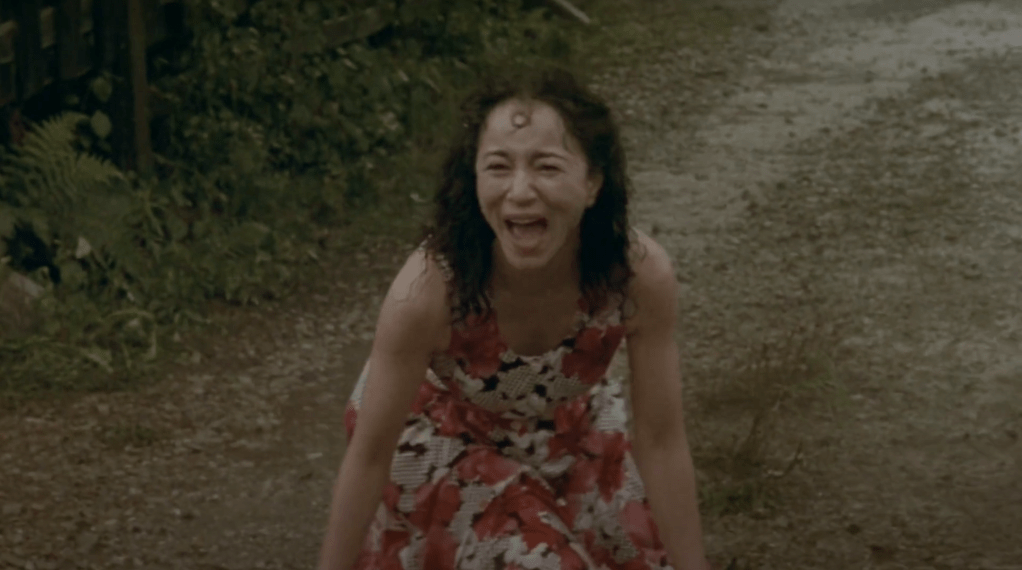
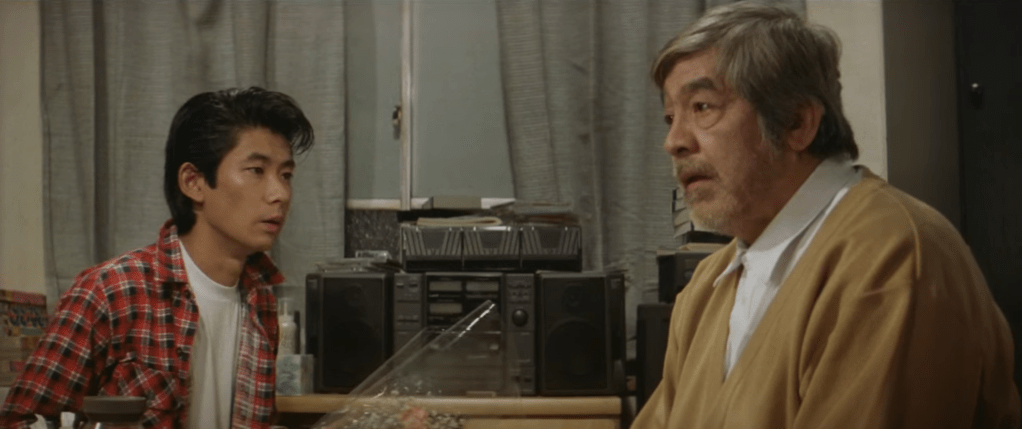
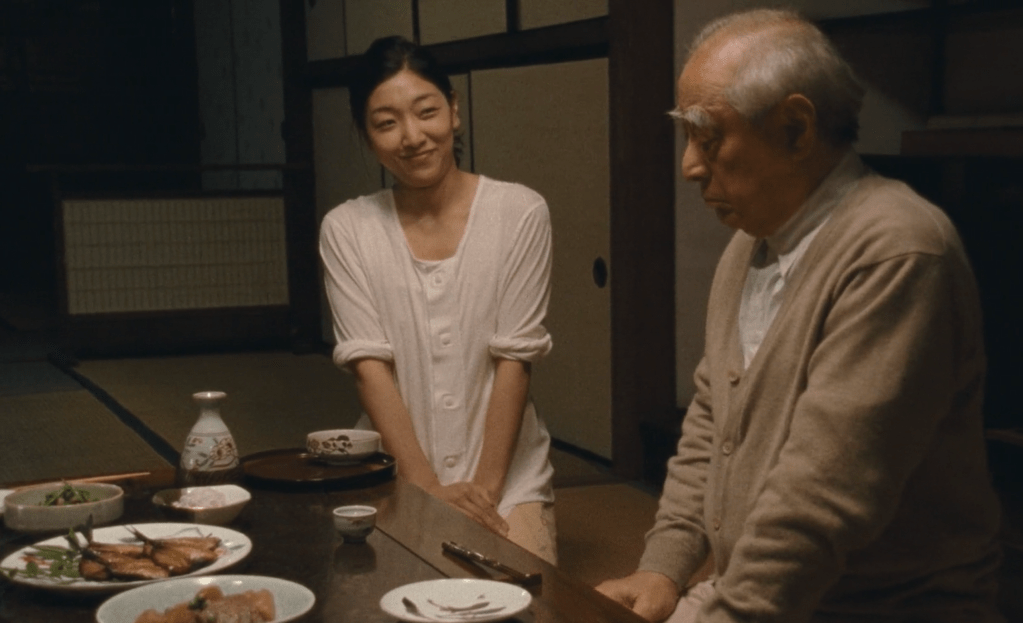
    It’s not an easy feat for a film to be lengthy, entertaining, and profound all at the same time. Yet Momoko Ando’s 2014 masterpiece 0.5mm is all three, and then some. 

    With a runtime of three hours and 18 minutes, this film is expansive not just in length but more so in its thematic ambition. 0.5mm is a singular achievement not only for Ando, who is both the film’s director and screenwriter, but also for her sister, Sakura, and her ineffable and career-defining take on the caregiver-vagabond Sawa Yamagishi. Sawa embodies a certain “lightness of being” that, contrary to the title of the famous novel, is not unbearable. This lightness extends to the whole of the film itself, so that it is both profound and outrageously funny. 

    Set, it seems, in the late 1980s to the early 90s, the film is divided into four parts: a prelude where Sawa is introduced as a caregiver of a bedridden elderly man, two acts where she would live with and care for two other elderly men, and a final act of resolution that harks back to the prelude. Throughout, Sawa’s character moves through the film with what I’d call “buoyant grace”—unattached, adaptable, and at times, mischievous. But while she is physically a drifter (and a mysterious one at that), she is not aimless.

    Sawa is not just a character—she is also a remarkable narrative device by which the film becomes an epic and complex meditation on human connection, the loneliness of the elderly, and the strange forms that kindness can take. It is through Sawa and her relationships that seemingly disparate themes such as the war nostalgia of elderly Japanese men, the collective versus the individual, the male gaze, and the kindness and seductiveness of a woman as both wife and caregiver come together and come alive.

    Among those themes, the latter two are particularly prominent. They could’ve been touchy subjects, if not for Momoko’s writing and Sakura’s acting. Their collaboration made for a deft portrayal of how a woman makes peace with society’s patronization and misogyny, subverting them to gain power that is not only seductive but more crucially, substantial, generous, and real.

    Sawa’s “feminism,” if you could call it that, is not vindictive nor activist—it’s human through and through. One recurring incident in the film highlights this. Sawa’s drift, it seems, is to catch elderly men in scandalous, reputation-wrecking moments and use these to “coerce” them to let her live with them. However, she would use the power she gains not to extort nor to persecute, but to care, quite literally. In each case except the prelude, Sawa brings and inspires order and healing in the lives of the elderly men she was involved with.

    I may have made Sawa sound extraordinary, but what lingers most is her plain, unadorned humanity. She feels like a mystery only because tenderness and generosity have become rare. 0.5mm is special for letting that quiet humanity shine.
  • The Insect Woman, dir. Shohei Imamura (1963)

    The Insect Woman, dir. Shohei Imamura (1963)

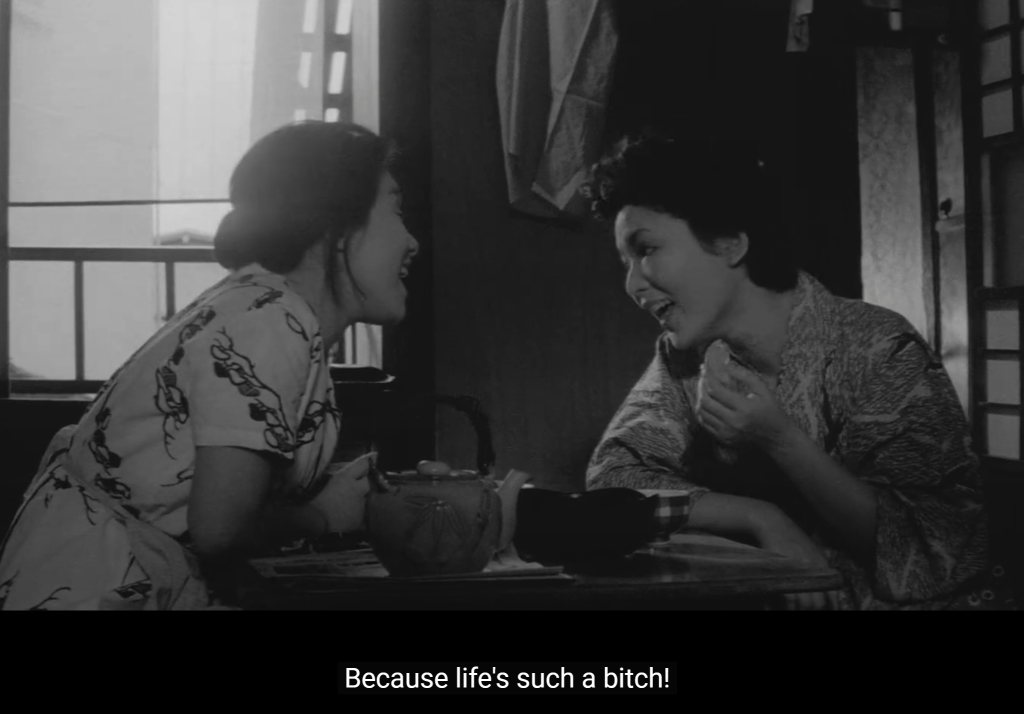
    “Ma, what other way is there?”

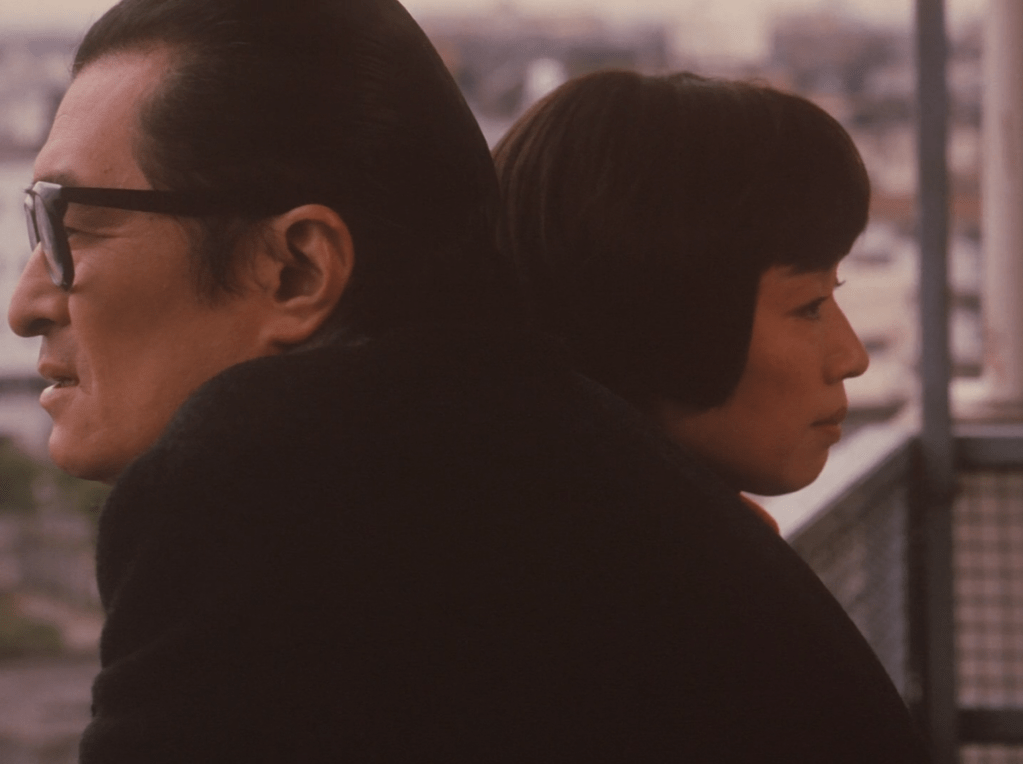
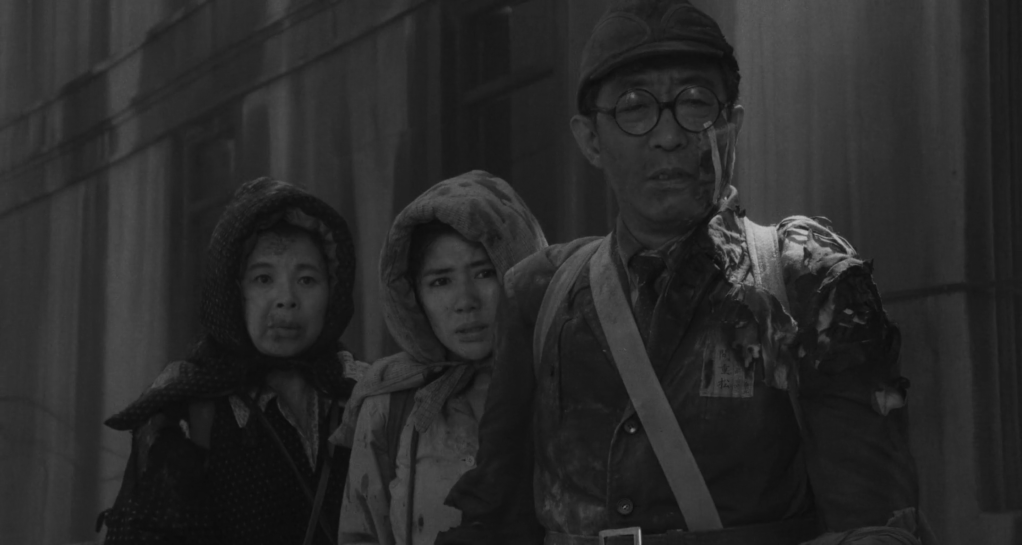
    There is just so much to unpack from that remarkable line from another of Shohei Imamura’s masterpieces, the taboo-revelling The Insect Woman (1964), that I believe it represents both the narrative-thematic and emotional cores of the film. Imamura delivered through this film with his deftness not only with the black-and-white format but also with cinema’s unique language–editing. By combining masterful editing through the effective use of stills and a callback to the Japanese cinematic tradition of benshi, Imamura was able to showcase a masterpiece that not only unfolds in the viewers’ screens, but more importantly, in the fertile imaginations of their minds.

    On the surface, The Insect Woman is a tale of survival and rising through the ranks, only to be met by the harsh realities of life after war and an unequal society. Sachiko Hidari is remarkable as the protagonist Tome, who played with such ease and depth the life of a farm girl-turned-prostitution madam in the fast-changing Tokyo of the 50s and the 60s. Tome’s life, as well as the lives of those around her—her daughter, her friends, even her lover and her family back in rural Tohoku—represent the life of insects, with its endless cycle of birth, growth, transformation, and death.

    But is it just their lives though? We can answer this by looking more closely at the transliteration of the film’s Japanese title, “Entomological Chronicles of Japan.” To Imamura, Tome’s life is but a representation of the Japanese people and indeed, of Japan itself. Or is Japan really the “insect woman”?

    From the tailend of the Taisho period to the nascent years of the post-war Japanese economic miracle, the movie contends that nothing has really changed; everything but a part of a cycle. The sincerity of the religious is always undermined by the greedy. Women’s achievements are always treated as lesser and more easily dismissible. And sex, for good or for ill, is always a potent tool and path that women can wield to achieve a better life. Life is a bitch, Tome decried in the film, and bitching and being bitched on, whether literally or figuratively, is a constant throughout the film. The external circumstances might be in constant flux, but the substance of the Japanese psyche remains the same, a powerful thesis to make in a country that is proud of its newfound pacifism manufactured less than two decades removed from its imperialistic adventures. 

    That life is just a cycle of predictable phases, like that of an insect, can be downright nihilistic in its reductionism, especially in the face of human striving and objective progress. But therein also lies the power to be able to turn certainty on its head—by knowing how it goes, one can crack the code towards change.

    As it will be revealed in the end, The Insect Woman shows that in a sense, what seems to be the only way can also be the way out.

  • Harmony or distraction? Music in Listen to the Universe (A review)

    Harmony or distraction? Music in Listen to the Universe (A review)

    Here’s a little trivia about the Oscars: Did you know that there is an existing category called Best Original Musical in the Academy Awards? However, since it was established in 2000, no year has seen enough original musical films (read: not an adaptation) for a competition to be considered (there must be at least 10).

    But the thing in the rules for this category that made me remember that trivia in relation to Listen to the Universe is the qualification of narrative relevance. To be considered, the music in the film “must further the storyline of the motion picture.” This is different from the film’s score, or say, a soundtrack that goes with the movie but exists outside of the narrative, both of which usually only serves to heighten the emotional aspect of the work.

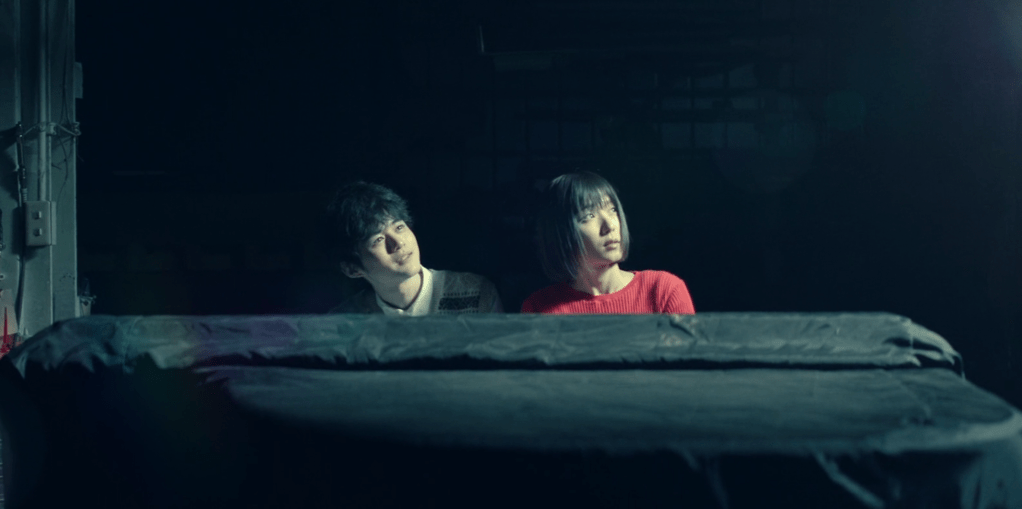
    I am bringing this up because in the case of Listen to the Universe, the music and the musicianship of the four competing young concert pianists are too much at the center of the story that it begs the question: Do these musical pieces, especially the classical ones, “further the storyline of the motion picture?”

    There’s no question about whether music belongs in the film; the score is expertly crafted. But how does Clair de Lune or Rachmaninoff’s Piano Concerto no. 3 move the story forward? Why were these pieces chosen and not the others? While undeniably beautiful and significant, they ended up stealing the show without contributing much to the plot or character development. Their complexity, while impressive, can be intimidating to ordinary viewers, narrowing the film’s potential audience.

    This point about “ordinary people’s music” versus the highfalutin fare that the elite usually enjoys has been tackled but quite insufficiently to make a solid emotional impact. Aside from that, the film also attempts to explore a range of other themes: artistic inspiration, the nature of genius, and the purpose of art in the artist’s life.

    But with four distinct performers, it struggles to dive deeply into any one theme. The subplot involving one character’s journey with grief, which seems to be the movie’s emotional core, feels underdeveloped and doesn’t quite land, although the character’s rousing final performance offers a brief emotional payoff.

    That said, Listen to the Universe has its strengths. While none of the actors are actual concert pianists, their performances—directed by Kei Ishikawa—are convincing. Along with nimble editing, the film made virtuosos out of them.

    And where the film falters in using music as diegetic sound, it compensates with a striking score. The score and the visuals work together, contrasting or complimenting each other to heighten the “textures” or the “feel” of various scenes so that in some ways, the harmony between humanity and the universe that the title evokes somehow rings true.

  • Not a review: An initial survey of Japanese cinema

    Not a review: An initial survey of Japanese cinema

    Full list here with ratings and short reviews for each film: https://boxd.it/CUx1G

    One of my movie-watching goals this 2025 is to dig deep into Japanese cinema. I thought about going the auteur way (i.e., watch movies by director) but I felt like I wanted to do a proper survey that covers the diversity of what Japanese cinema has to offer in terms of style, themes, genre, and form. With that in mind, I thought that going over all the winners of the Japan Academy Film Prize Picture of the Year award would be a good start.

    I understand the limitations of this approach. In terms of historical scope, the Japan Academy awards has only existed for 48 years. I view this positively as I didn’t want to dive head on into older works while I try to get used to how the Japanese create films, both in form and content.

    Secondly, film academy awards such as the Oscars and the BAFTAs are not always viewed positively for a myriad of reasons, and the Japan Academy Film Prize is not an exception. However, I chose to watch this list first, and not, say, Kinema Junpo’s list of Best Films (annual, not the top 100), because the fact remains that academy awards are unique in that they are chosen by those who work in the film industry itself–producers, directors, actors, editors, cinematographers, etc. I’m always fascinated by how artists view theirs and others’ works, vs. non-artists, critics and the masses (all of which are also equally important constituencies). I think this kind of reflexive exercise is all the more important in the motion picture arts, which almost always involve more than one person in the creation process.

    Are these movies the best that Japanese cinema can offer? The word “best” is always contentious, and admittedly, some of the works in this list I personally thought were undeserving given the competition they had during the years they were given the award. Some were downright disappointing. Curiously, it doesn’t have one film by one of the two “winningest”** directors in Japanese cinema, Akira Kurosawa, although he wrote the screenplay for one. (The other winningest director, Shohei Imamura, has three in the list).

    But some have also been universally acclaimed, within and outside Japan. There lies the other thing I was thinking why I wanted to begin with this list. I felt like this is a way for the Japanese film industry to say which films are best for them, that is, according to their own terms and not the terms of the West or Hollywood. Throughout the history of Japanese cinema, Orientalism has been a consistent issue both within the industry and among critics and scholars. Japanese cinema has been curiously seen as “the Other” in contrast to Hollywood/Western cinema, and outsiders have tended to simplify what kind of good should be expected of films from Japan. So while I personally think that Akira Kurosawa is really up there among the great filmmakers of the world and of all time, the fact that he is not in this list is less about him not deserving it but more of recognizing works and filmmakers that have not necessarily made a name in the West but have made significant achievements in appealing to the sensibilities of the local Japanese film audience and industry.

    The films on this list are a very diverse bunch. Aside from two animated movies (both from the legendary Hayao Miyazaki), it has two Godzilla movies, family dramas, a head-spinning psycho-horror, films about dancing, films about dying moms (among five total films about old age!), coming-of-age films, and of course period films and samurai films. I think Ken Ogata has the most lead actor appearance in these films. Some of these are thoroughly entertaining, some requires much patience with the long takes and sparse dialogue and plot that would ultimately be satisfying in the end.

    These are 45 movies and can take a while to get through, but if you’re interested, here are my favorites from each decade:

    1970s-80s

    • A Taxing Woman, dir. Juzo Itami (1987)
    • Black Rain, dir. Shohei Imamura (1989)
    • The Ballad of Narayama, dir. Shohei Imamura (1983)

    1990s

    • My Sons, dir. Yoji Yamada (1991)
    • Princess Mononoke, dir. Hayao Miyazaki (1997)
    • Begging For Love, dir. Hideyuki Hirayama (1998)

    2000s

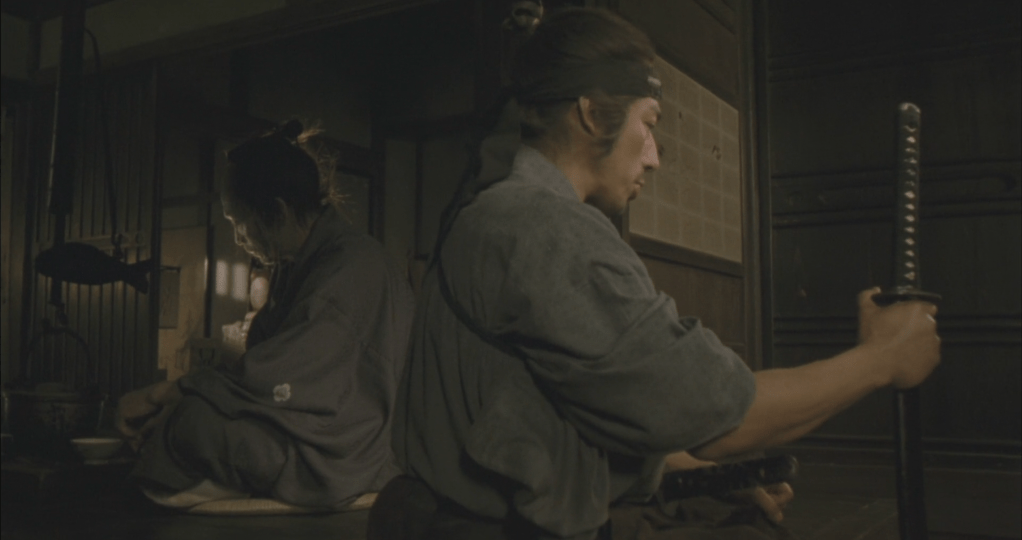
    • The Twilight Samurai, dir. Yoji Yamada (2002)
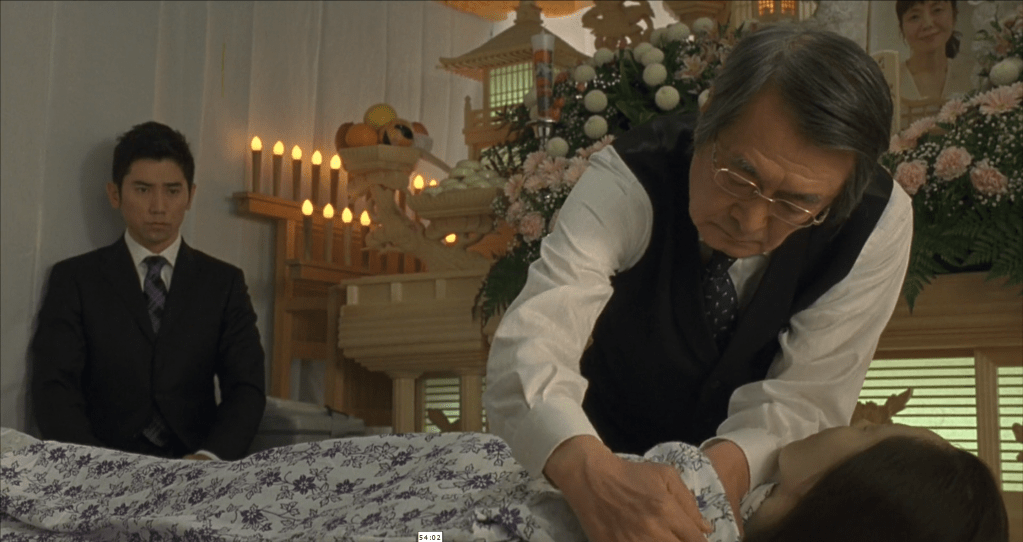
    • Departures, dir. Yojiro Takita (2008)
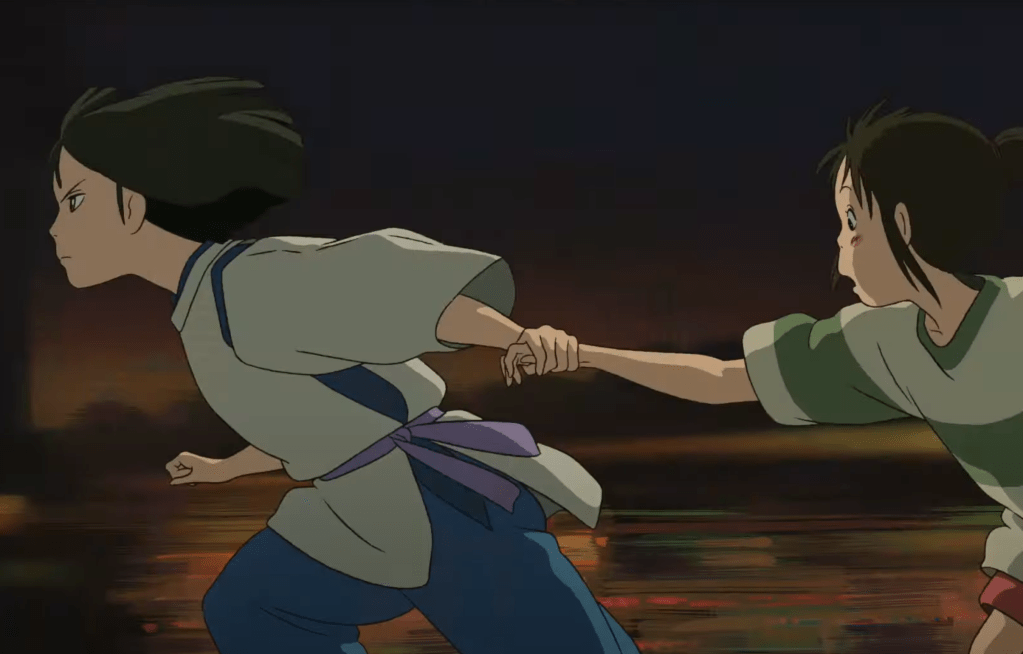
    • Spirited Away, dir. Hayao Miyazaki (2001)

    2010s

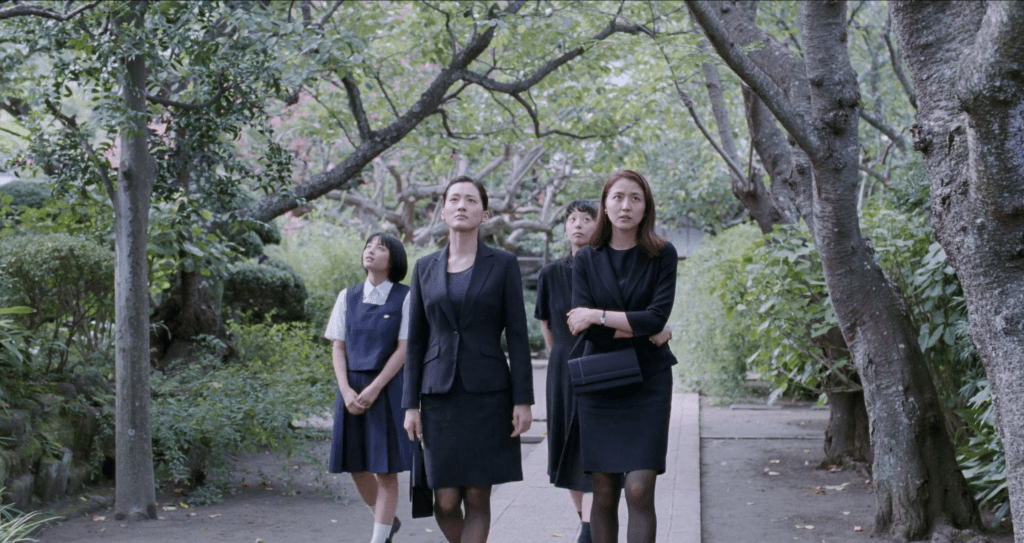
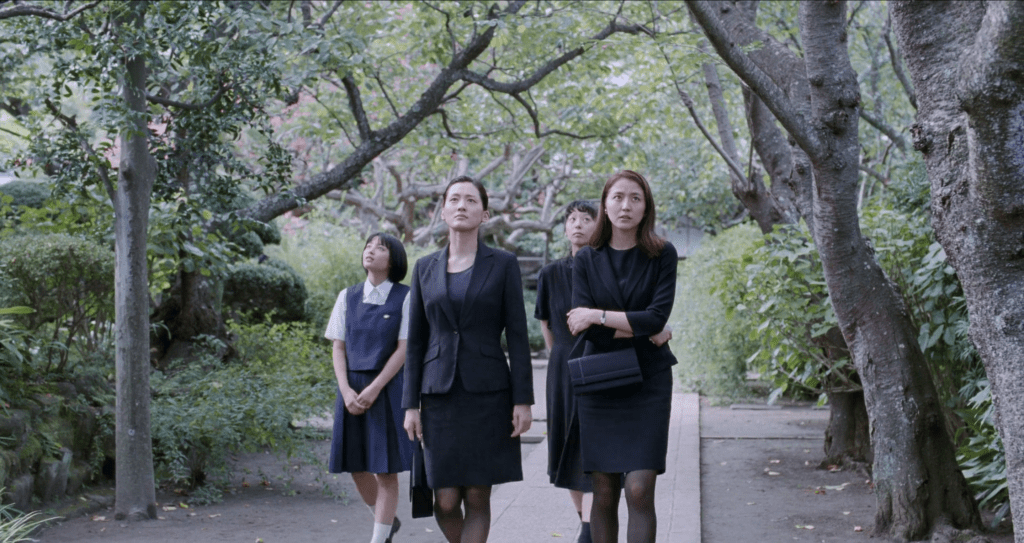
    • Our Little Sister, dir. Hirokazu Kore-eda (2015)
    • Confessions, dir. Tetsuya Nakashima (2010)
    • Shin Godzilla, dir. Hideaki Anno (2016)

    2020s

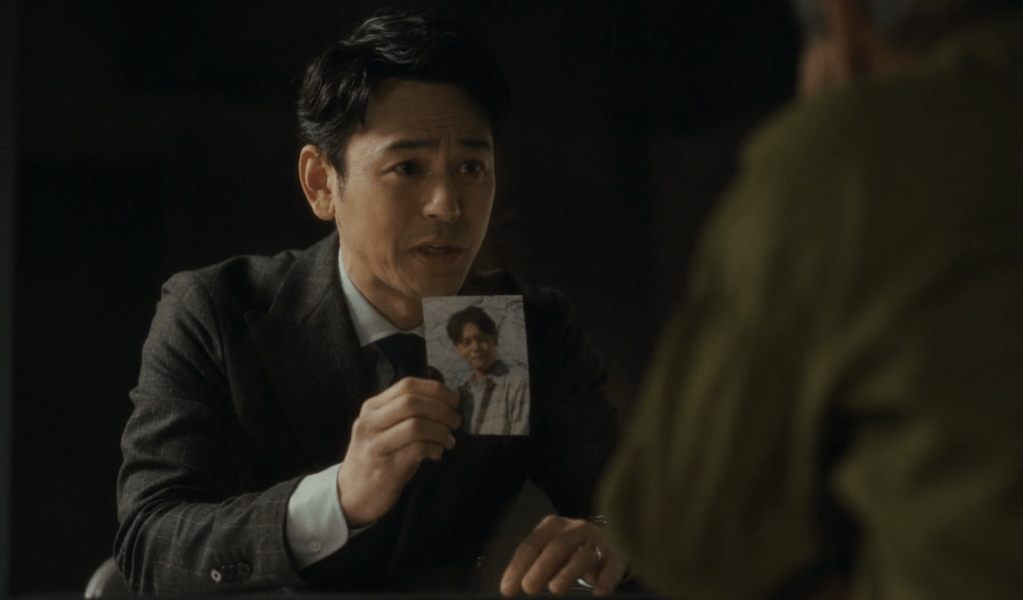
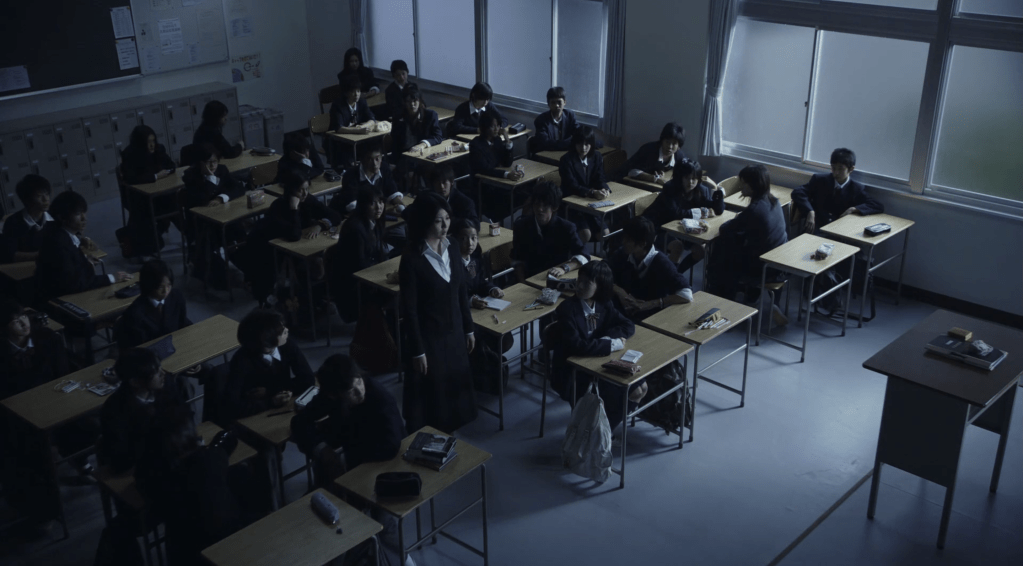
    • A Man, dir. Kei Ishikawa (2022)

    Have you watched any of these 45 films? What are your thoughts and favorites? Let me know in the comments!

    *I can’t find any way to watch Half a Confession (2004) and Rebirth (2011).
    **Obtained the most number of Best Film awards from the five longest-running film awards in Japan since 1946: Kinema Junpo, Mainichi Concours, Blue Ribbon, Hochi, and Japan Academy. Both Kurasawa and Imamura have seven.

  • Takeshi: Childhood Days, dir. Masahiro Shinoda (1990)

    Takeshi: Childhood Days, dir. Masahiro Shinoda (1990)

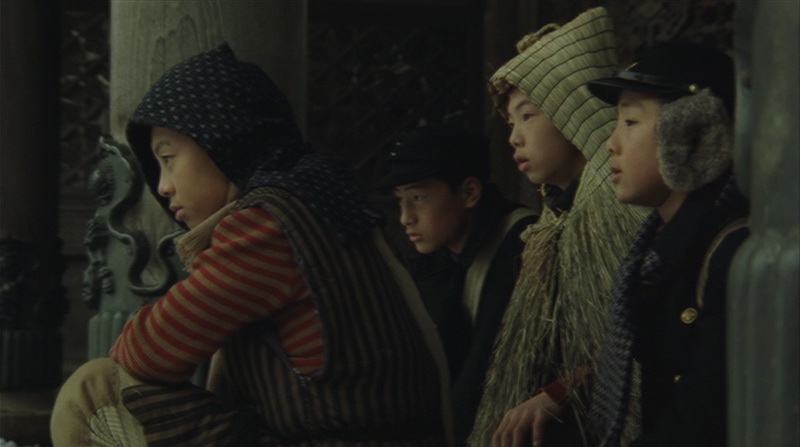
    There is just so much to unpack in Masahiro Shinoda’s Takeshi: Childhood Days (‘Shounen jidai’), an unassuming film from 1990 about Shinji, a Tokyo boy who took refuge in rural Japan at the closing year of the Pacific War. 

    What would’ve been a story about how he faced the usual rigors of pre-teen years—peer pressure, socialization in a juvenile dog-eat-dog mini ecosystem, formation of the self, academics, and bullying—is enriched by the unique context of a nation at the height of war. 

    While Shinji and his adoptive community were spared from the bombs and the bloodshed, the war still reached its long, unrelenting arms through various means. Men, even from that rural village, had to be sent away to fight the war, their loved ones anguished with being left behind. They would be subject to Imperial propaganda (and even a film about the German Fuhrer!), and eventually, the American occupation. There is really so much to mine here that if I were to teach about the Pacific War and its depiction in cinema, I would certainly include this as required viewing.

    Another strength of this film is in its quietness, and by that I don’t mean that there is sparse dialogue. The visuals are measured and the mise-en-scene throughout the film is well-composed and clean. This is perhaps to stand as a contrast to what the characters and the viewers would imagine as the noisy, bloodied, and utterly destroyed cities of Tokyo, Hiroshima, and Nagasaki, among others. Save for a brief scene of people running away from burning houses, the film only talked about Tokyo being bombed but never shown. This is where the film invokes the power of cinema’s unique language—editing. By leaving out certain scenes and showing others, the film invites viewers to imagine for themselves scenes that are not present and proximate but are paramount to the lives and fates of the people in Shinji’s community.

    This wouldn’t be complete without talking about Shinji and Takeshi, the two boys at the center of this film. The film made a deliberate choice of telling the story of Takeshi, the title’s namesake, from the point-of-view of Shinji. 

    Perhaps the reason for this is how Takeshi became central to Shinji’s experience of being a local war refugee, how he mediated, both implicitly and explicitly, the different layers of context that the film tackled, as they played out in the life of Shinji. 

    Or maybe it’s the other way around? Shinji becomes central to Takeshi’s experience and understanding of the World War that Japan is participating in, making him understand that the war is national in both effort and reach, and that his little shounen life will be disrupted by it through the life of another boy. Again, this is left for the viewers to imagine and decide.

    However it is, the film does not depict a simplistic relationship. There lies Shinoda’s filmmaking prowess, elevating what could’ve been a common story between two boys into a rich cinematic gold mine.