Tag: Japan Academy Film Prize

  • Grace and belonging: ‘Our Little Sister’ by Hirokazu Kore-eda (A review)

    Grace and belonging: ‘Our Little Sister’ by Hirokazu Kore-eda (A review)

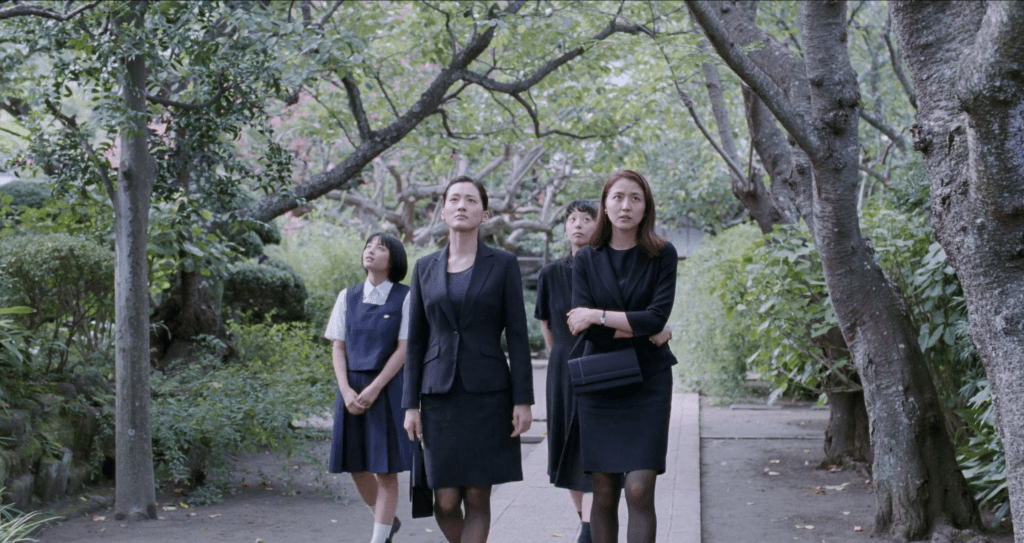
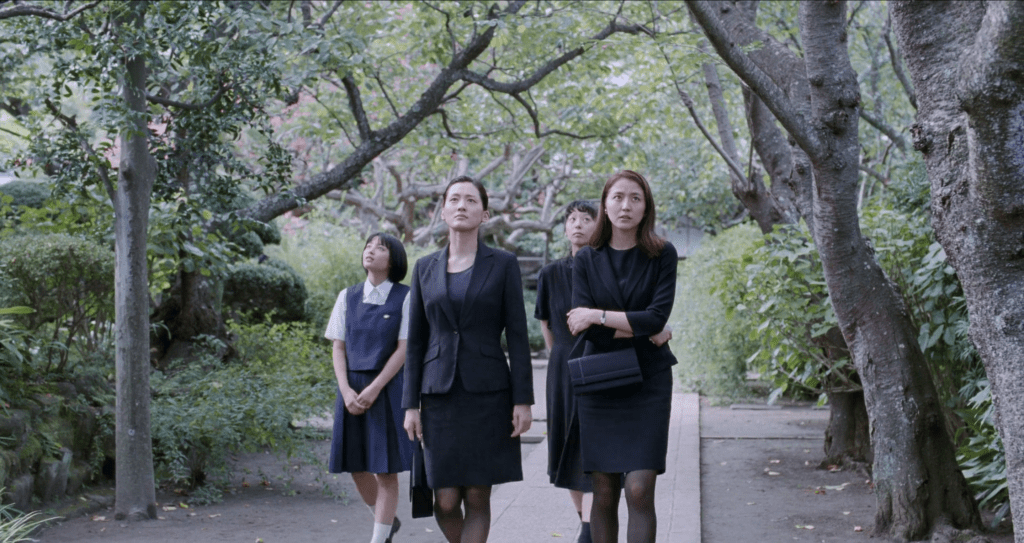
    There is no doubt that Hirokazu Kore-eda has mastered both the form and substance of cinema, developing a distinct visual style that elevates his deeply humanistic storytelling. While films like Maborosi (1995) showcase his technical mastery of the cinematic form, and Nobody Knows (2004) and Monster (2023) reflect the breadth of his narrative and thematic ambition, Our Little Sister (2015) stands out as one of his most intimate, character-driven works, supremely centering on people and relationships more than plot or message.

    As with many Japanese films, the original title—Umimachi Diary—differs from its English counterpart, possibly to appeal more to Western audiences. Regardless of the reason, both titles offer rich lenses through which to understand and appreciate the film.

    With “Umimachi Diary”, (‘seaside town diary’), the film highlights the importance of rootedness not only in personhood but also in relationships. 

    The film probes how the placeness of towns and their spaces such as cafes, houses, and temples have shaped the lives and connections of the people dramatized in the movie across generations. This is exemplified in the way the supporting characters influence the sisters’ lives, especially through gestures and encounters made possible by the unique rhythms and intimacy of a seaside city like Kamakura.

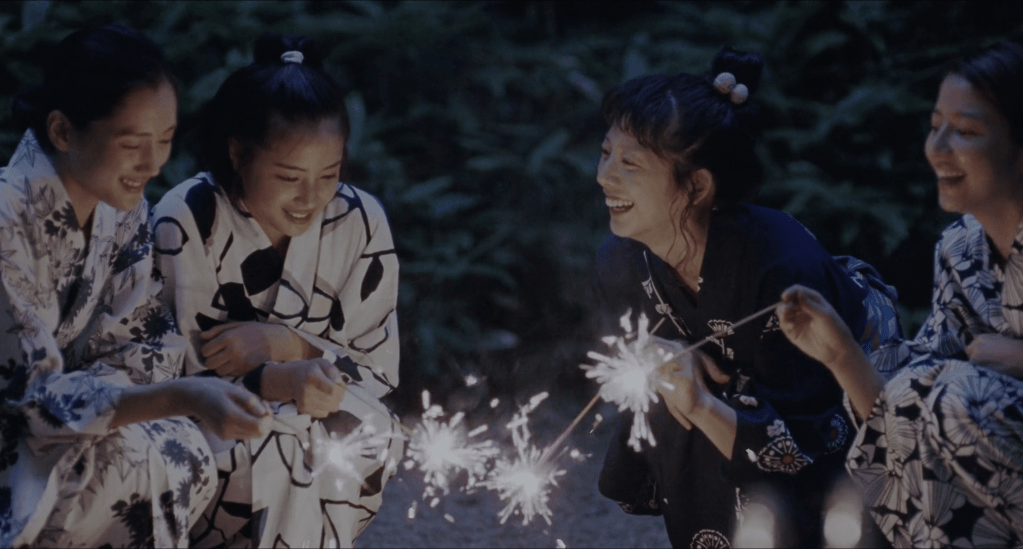
    In contrast, the English title “Our Little Sister” draws attention to Suzu, the titular character who was adopted by her three half-sisters from Kamakura, after the death of their father who she cared for. In the film, Suzu was not just a character—she becomes the lens through which the inner lives of the others are poignantly revealed.

    Like a prism, Suzu reveals the true colors of the nature of the various relationships in the film: among the three sisters Sachi, Yoshino, and Chika; between them and their late, estranged father; and especially between Sachi and their distant mother. And while Suzu was not in any way asked to resolve the issues that arose because of her presence, in many different ways her life, memories, and words affirmed the humanity of those she interacted with no matter what they were facing.

    Our Little Sister has been the most moving Kore-eda film for me, getting the same impact even after many rewatches. It is in fact my most favorite film of all time, a movie I go back to for the comfort it gives me. 

    It’s beautiful in a way that it doesn’t manipulate emotions. Instead, it illuminates them. Our Little Sister shines a light on a rare kind of relationship these days—one ruled first not by love, but by grace. While I always thought Suzu to be the protagonist of this film, I realized that this story is as much as hers as it is the story of the eldest sister Sachi. Suzu is made to feel she belonged and loved not for what she might become, but for who she already is. Behind that welcome is Sachi, who, despite carrying her own burdens, offers Suzu grace. In one quiet scene, as they gaze at the beautiful sea together from a hilltop in Kamakura, this grace was in full display.
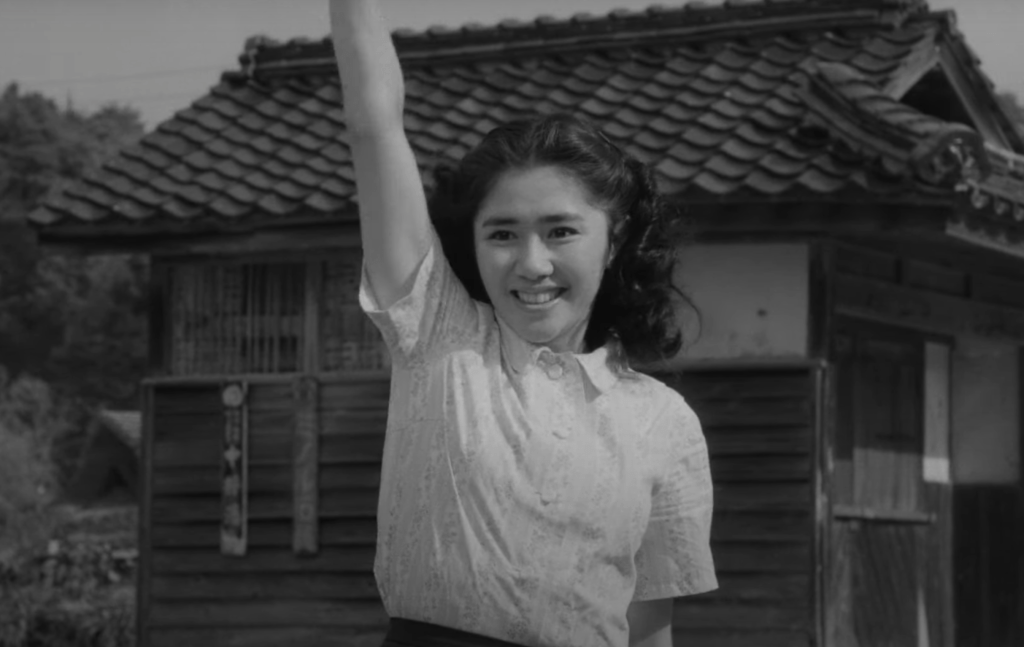
  • Rebirth, dir. Izuru Narushima (2011)

    Rebirth, dir. Izuru Narushima (2011)

    The English title of Izuru Narushima’s 2011 film, Rebirth, suggests a shedding of the past in pursuit of a new beginning. Its Japanese title, however, hints at a subtle, metaphor-rich expression of what the film is truly about, which I will return to later.

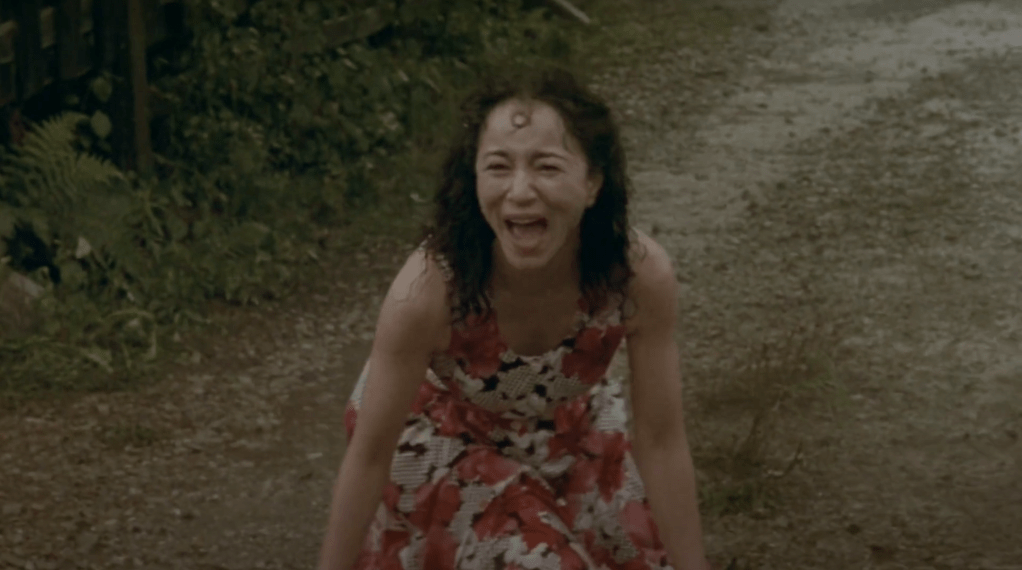
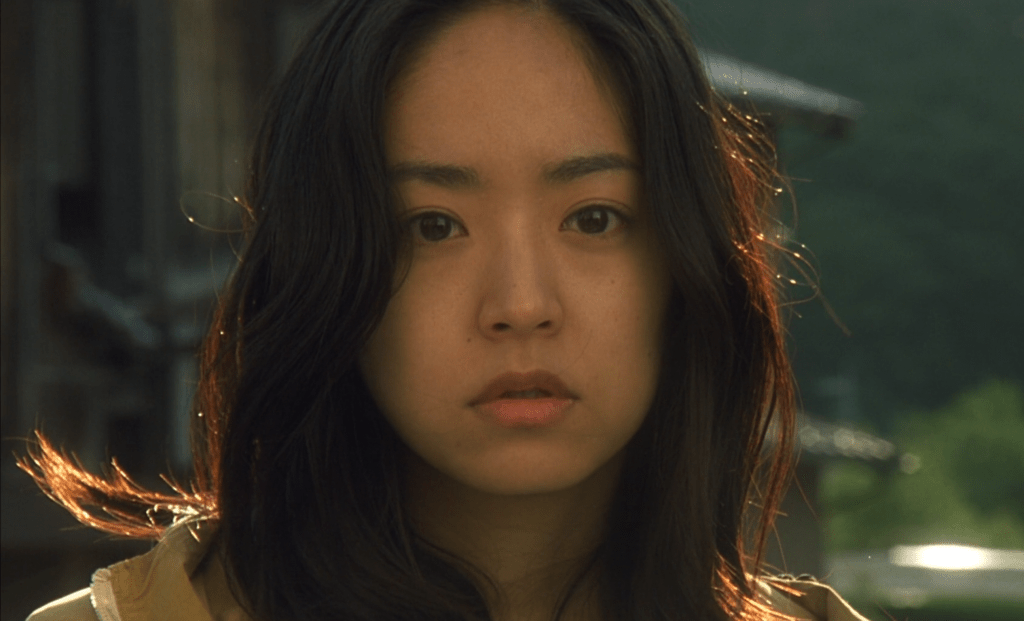
    In this film, we meet Erina Akiyama (played by Mou Inoue), a listless university student who was abducted as an infant by her father’s former mistress. Her four-year abduction made headlines at the time. Now, she seems to be living a quiet, ordinary life—until a journalist eager to revisit that unfortunate episode seeks to resurface her story. Growing curious about that time in the distant past, Erina agrees to the journalist’s invitation to rediscover what happened then.

    From the outset, the theme of motherhood is very prominent in the film, showing its pains and longings. Here, motherhood is denied, borrowed, and—perhaps most powerfully—chosen. Yet motherhood is but a part of a larger, more central theme, one that also captures the emotional–and eventually, the narrative–core of the film—self-discovery. 

    Since Freud, we have tended to think that our adult psychologies are invariably shaped by our childhood experiences and traumas. In Rebirth, we would think that Erina’s actual abduction or even her relationship with her “abductive” mother (played by Hiromi Nagasaku) would’ve made an enormous impact on her life. However, the film resists resting solely on this notion.

    Rebirth emphasizes the outsized importance of the seldom-explored attachment to places and the memories of things that happened in them, whether good or ill. 

    This is where the visual storytelling of the film shines, as it proceeds to reveal Erina’s understanding of and feelings toward specific people, including herself, in its portrayal of places. We see the lonely townhouses in the uptown district where her parents’ house is, the enigmatic “shelter” where she and her abductor hid and stayed, and finally an island community of warmth and fulfilment that would later speak profoundly to Erina’s sense of being and identity. 

    Interspersed with flashbacks of sunlit scenes of a childhood lived in full on that island—joyous, vivid, but now, distant—Erina finds a reckoning in the present. Not against her abductor, nor her parents who resented how she grew up “absent”, but against a self that in every sense except the physical, in the throes of “death” and emptiness.

    The film’s Japanese title, ‘Youkame no semi’, can be translated to “the eighth-day cicada”. It draws from the belief that cicadas live only seven days, after which they die together. While scientifically incorrect, it has been used as a metaphor for the shortness of life, shearing it of meaning. But the film quietly asks: what if one cicada decides not to die, and lives on for an eighth day—or longer? In the film, Erina not only decides to live but also to pay forward a life that has found new meaning and beauty.

  • Black Rain, dir. Shohei Imamura (1989)

    Black Rain, dir. Shohei Imamura (1989)

    An unjust peace is better than a just war.

    Those words, uttered in exasperation by one of the characters in one of the film’s closing sequences, sums up the emotional core of this visual and narrative masterpiece by Shohei Imamura. It is another showcase of his directorial prowess, reminiscent of The Ballad of Narayama, his masterpiece from 6 years before.

    Indeed, I can’t help but compare the two in terms of the breadth and scale of the commentary he wanted to make about human life, human relationships, and Japanese society. 

    While I would surely put this film on a must-watch list for those interested in how the Pacific War affected the Japanese people, I would argue that that is not the main topic or theme of this movie. Whereas Narayama used the Japanese legend of ubasute to explore aging, how the elderly is treated, and indeed, the whole circle of human life in pre-modern Japan, Black Rain used the tragic atomic bombing of Hiroshima to provide a profound commentary on the many levels of stigma, humiliation, and humility (some times to a fault) in the immediate post-Pacific War era Japan. 

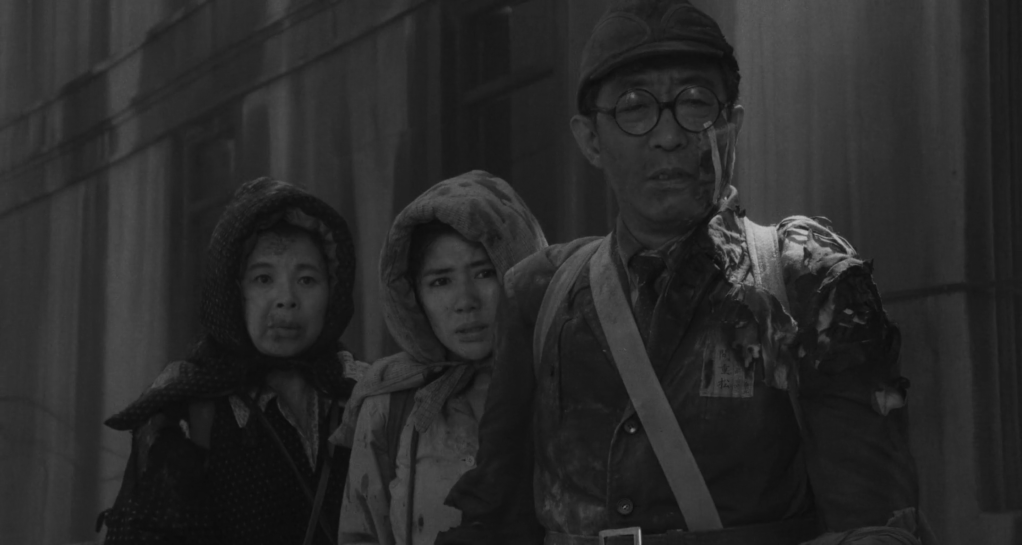
    Indeed, while the day of the Hiroshima bombing was sufficiently and painstakingly portrayed and explored, I would argue that it served better as a narrative device that contextualized and enriched the texture of the present story, set five years after, than as a “subplot” on its own. I thought that this was a wise choice because through it, along with the use of black and white, this film has become a timeless work that would speak not only to the victims of war, but also to the victims of the anxieties, pains, and yes, death, in peace time.

  • Not a review: An initial survey of Japanese cinema

    Not a review: An initial survey of Japanese cinema

    Full list here with ratings and short reviews for each film: https://boxd.it/CUx1G

    One of my movie-watching goals this 2025 is to dig deep into Japanese cinema. I thought about going the auteur way (i.e., watch movies by director) but I felt like I wanted to do a proper survey that covers the diversity of what Japanese cinema has to offer in terms of style, themes, genre, and form. With that in mind, I thought that going over all the winners of the Japan Academy Film Prize Picture of the Year award would be a good start.

    I understand the limitations of this approach. In terms of historical scope, the Japan Academy awards has only existed for 48 years. I view this positively as I didn’t want to dive head on into older works while I try to get used to how the Japanese create films, both in form and content.

    Secondly, film academy awards such as the Oscars and the BAFTAs are not always viewed positively for a myriad of reasons, and the Japan Academy Film Prize is not an exception. However, I chose to watch this list first, and not, say, Kinema Junpo’s list of Best Films (annual, not the top 100), because the fact remains that academy awards are unique in that they are chosen by those who work in the film industry itself–producers, directors, actors, editors, cinematographers, etc. I’m always fascinated by how artists view theirs and others’ works, vs. non-artists, critics and the masses (all of which are also equally important constituencies). I think this kind of reflexive exercise is all the more important in the motion picture arts, which almost always involve more than one person in the creation process.

    Are these movies the best that Japanese cinema can offer? The word “best” is always contentious, and admittedly, some of the works in this list I personally thought were undeserving given the competition they had during the years they were given the award. Some were downright disappointing. Curiously, it doesn’t have one film by one of the two “winningest”** directors in Japanese cinema, Akira Kurosawa, although he wrote the screenplay for one. (The other winningest director, Shohei Imamura, has three in the list).

    But some have also been universally acclaimed, within and outside Japan. There lies the other thing I was thinking why I wanted to begin with this list. I felt like this is a way for the Japanese film industry to say which films are best for them, that is, according to their own terms and not the terms of the West or Hollywood. Throughout the history of Japanese cinema, Orientalism has been a consistent issue both within the industry and among critics and scholars. Japanese cinema has been curiously seen as “the Other” in contrast to Hollywood/Western cinema, and outsiders have tended to simplify what kind of good should be expected of films from Japan. So while I personally think that Akira Kurosawa is really up there among the great filmmakers of the world and of all time, the fact that he is not in this list is less about him not deserving it but more of recognizing works and filmmakers that have not necessarily made a name in the West but have made significant achievements in appealing to the sensibilities of the local Japanese film audience and industry.

    The films on this list are a very diverse bunch. Aside from two animated movies (both from the legendary Hayao Miyazaki), it has two Godzilla movies, family dramas, a head-spinning psycho-horror, films about dancing, films about dying moms (among five total films about old age!), coming-of-age films, and of course period films and samurai films. I think Ken Ogata has the most lead actor appearance in these films. Some of these are thoroughly entertaining, some requires much patience with the long takes and sparse dialogue and plot that would ultimately be satisfying in the end.

    These are 45 movies and can take a while to get through, but if you’re interested, here are my favorites from each decade:

    1970s-80s

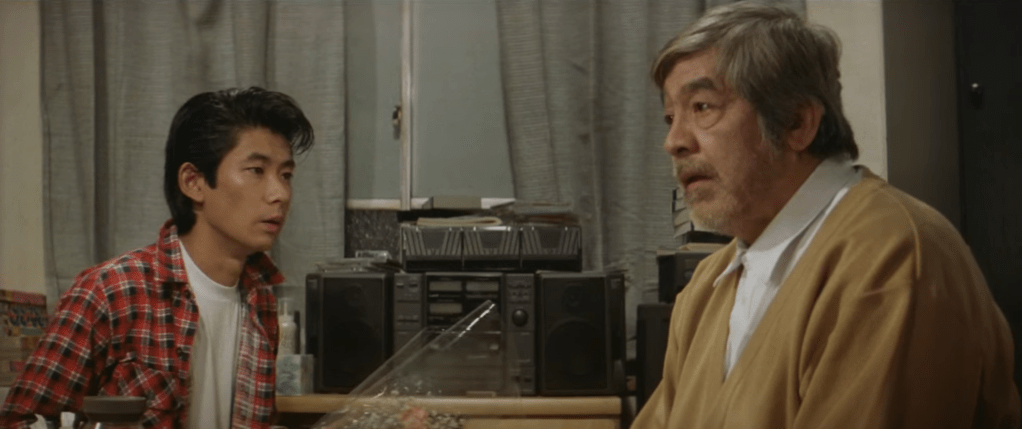
    • A Taxing Woman, dir. Juzo Itami (1987)
    • Black Rain, dir. Shohei Imamura (1989)
    • The Ballad of Narayama, dir. Shohei Imamura (1983)

    1990s

    • My Sons, dir. Yoji Yamada (1991)
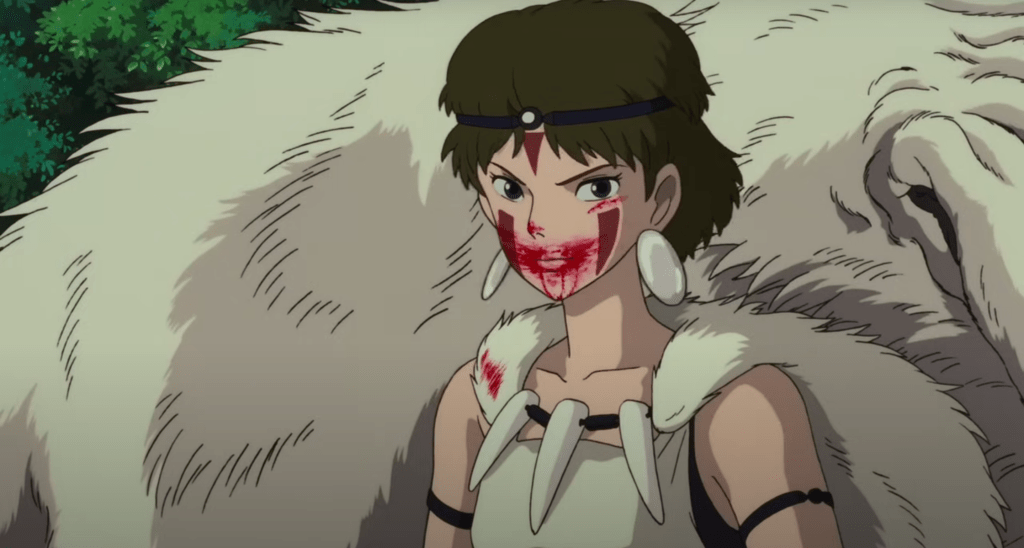
    • Princess Mononoke, dir. Hayao Miyazaki (1997)
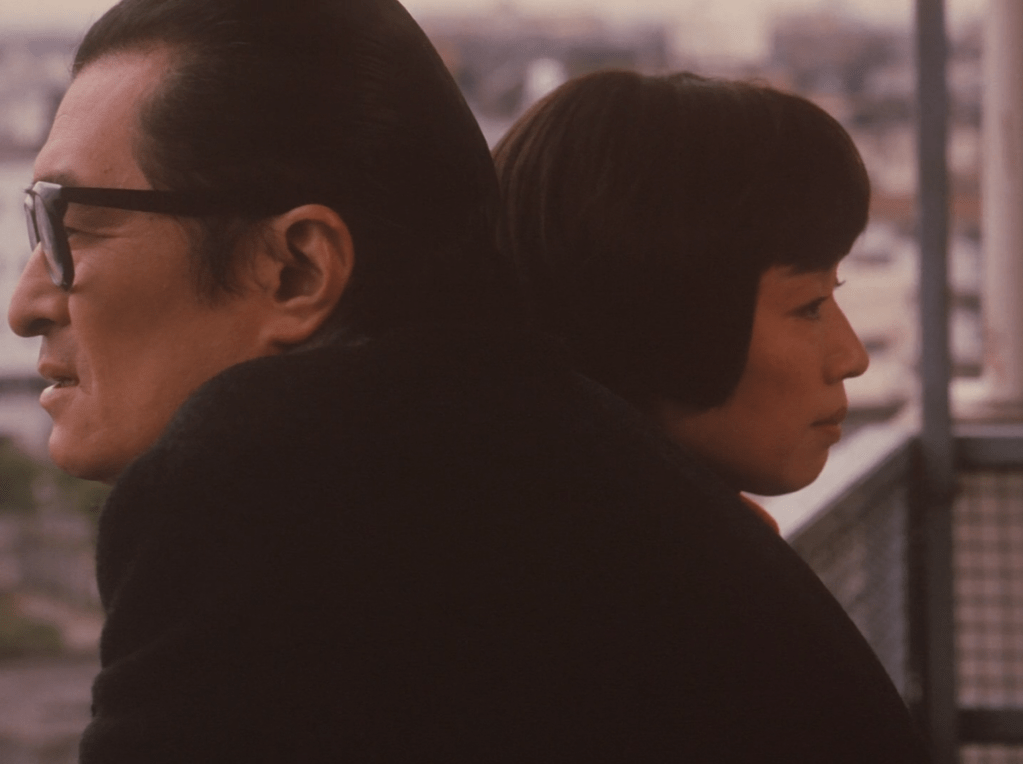
    • Begging For Love, dir. Hideyuki Hirayama (1998)

    2000s

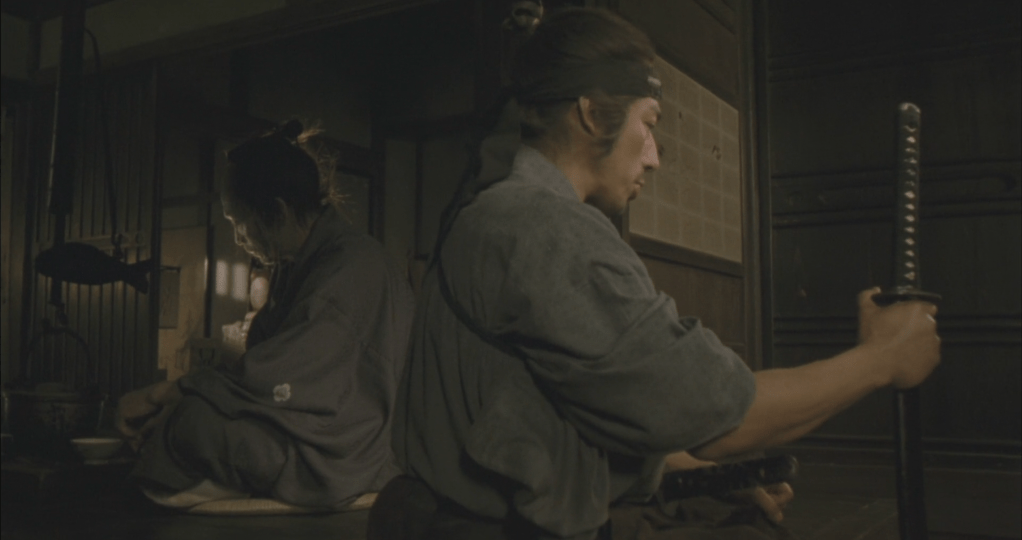
    • The Twilight Samurai, dir. Yoji Yamada (2002)
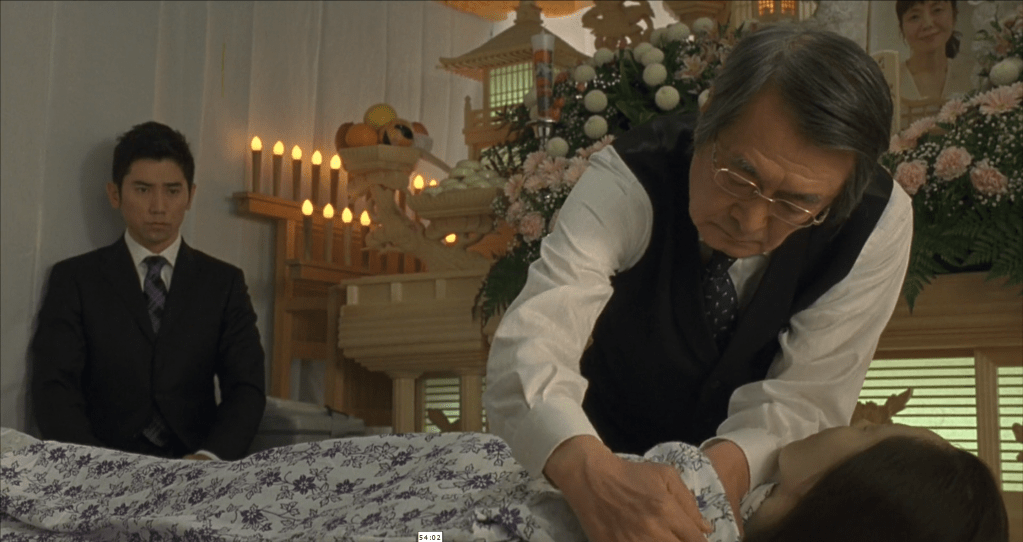
    • Departures, dir. Yojiro Takita (2008)
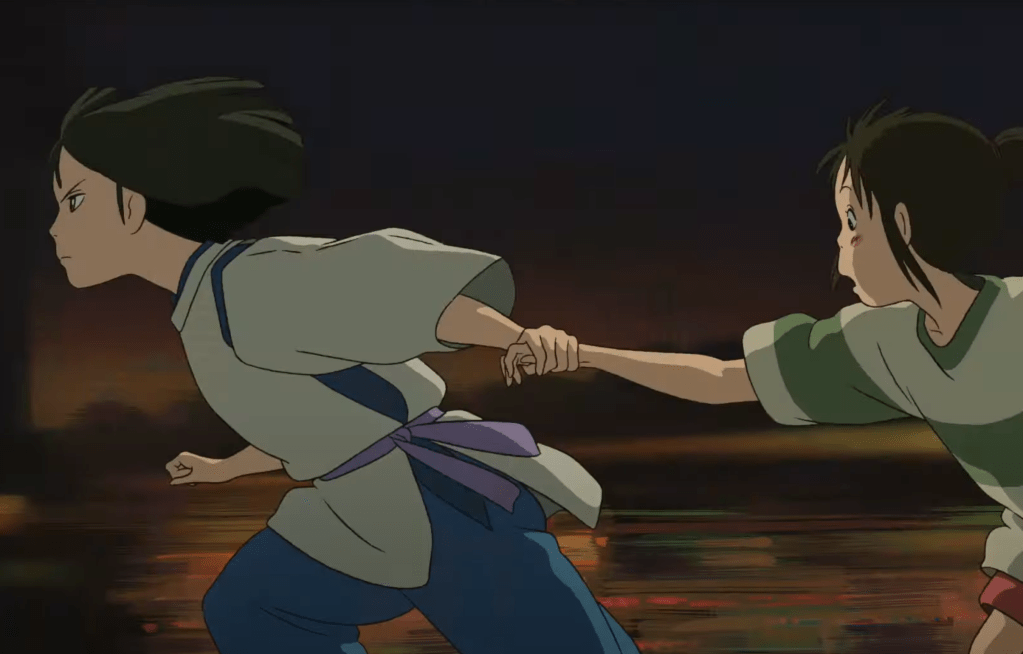
    • Spirited Away, dir. Hayao Miyazaki (2001)

    2010s

    • Our Little Sister, dir. Hirokazu Kore-eda (2015)
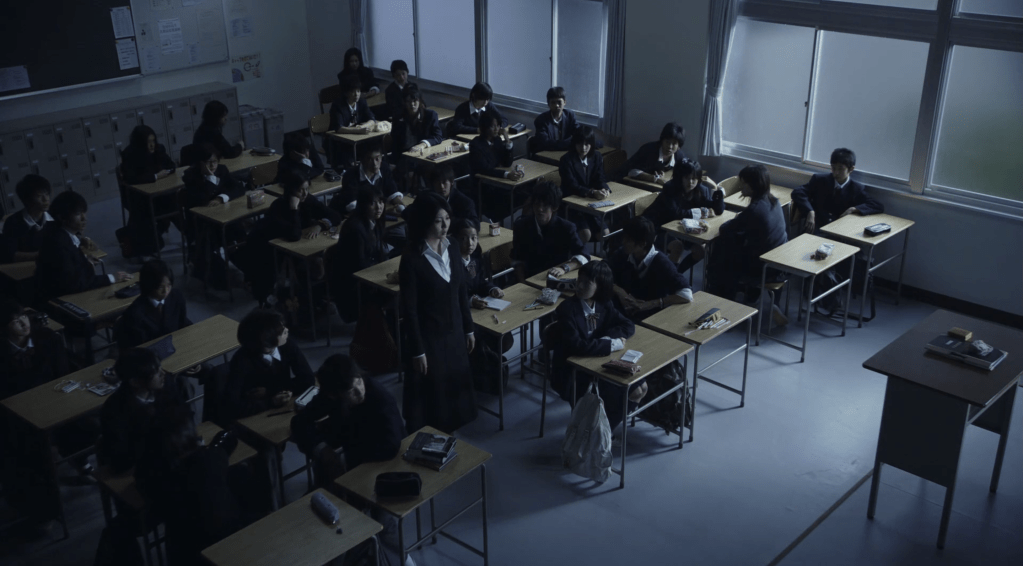
    • Confessions, dir. Tetsuya Nakashima (2010)
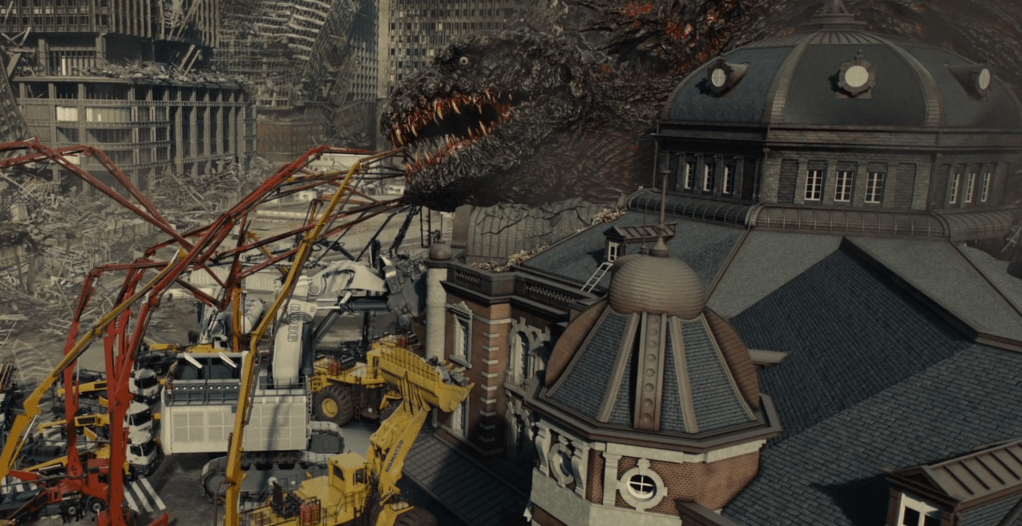
    • Shin Godzilla, dir. Hideaki Anno (2016)

    2020s

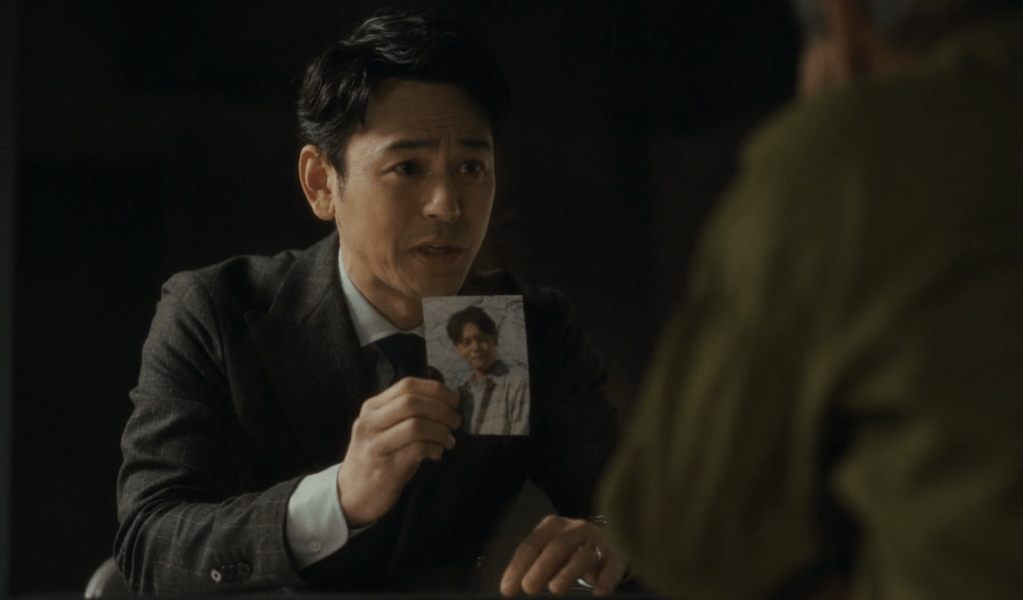
    • A Man, dir. Kei Ishikawa (2022)

    Have you watched any of these 45 films? What are your thoughts and favorites? Let me know in the comments!

    *I can’t find any way to watch Half a Confession (2004) and Rebirth (2011).
    **Obtained the most number of Best Film awards from the five longest-running film awards in Japan since 1946: Kinema Junpo, Mainichi Concours, Blue Ribbon, Hochi, and Japan Academy. Both Kurasawa and Imamura have seven.

  • Tampopo, dir. Juzo Itami (1985)

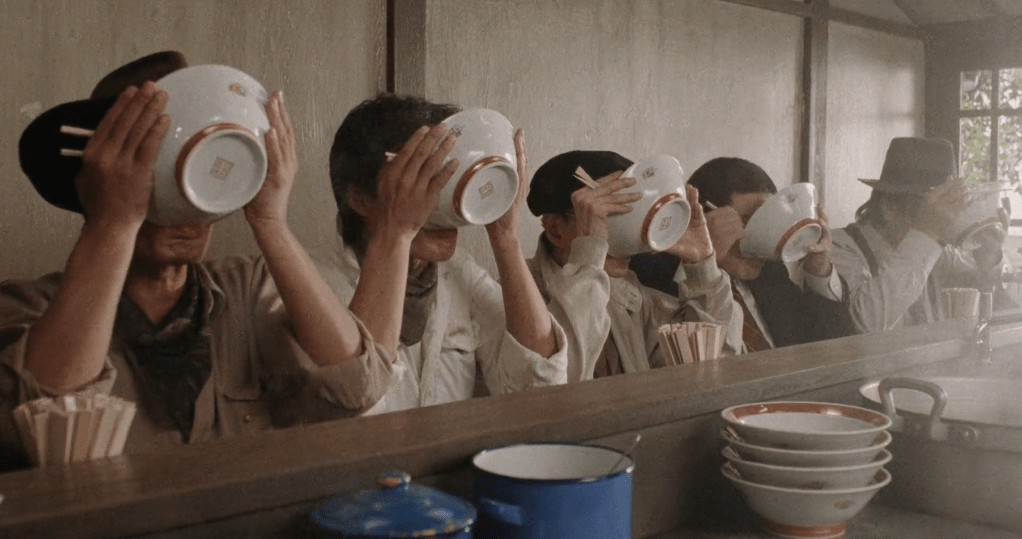
    Tampopo, dir. Juzo Itami (1985)

    You know that Scorsese meme that says, “Absolute cinema?” This film is one of those that deserves to be called that. If for Scorsese cinema is

    about revelation — aesthetic, emotional and spiritual revelation…about confronting the unexpected on the screen and in the life it dramatized and interpreted, and enlarging the sense of what was possible in the art form

    then this film can be counted among the most “cinematic”. Far and wide surely there are more entertaining films, more popular films, and even greater films (however you measure greatness) than Tampopo. But watching it from the start you know it is a tour de force of the medium.

    This film is unmistakably about food (ramen in particular) but it goes as broad and deep as it can to portray an “aesthetic, emotional, and spiritual revelation” about food in a way only cinema can bring. Watching Tampopo, you’ll get to taste and savor through your eyes—the spectacles of food and passion is raw and delicious, even delirious at times. There is a certain spiritual quality in the way food and sex are juxtaposed and not in the sense that these are gods or idols that humans “worship” but that both food and sex (and in one scene, food in sex) bring about such a sensory element to self-actualization.

    It may sound abstract but these are all potently brought to life by the comedy and the teamwork of Juzo Itami’s frequent collaborators, his wife Nobuko Miyamoto and Tsutomu Yamazaki. This is my 3rd Itami-Miyamoto-Yamazaki film (the other two being The Funeral and A Taxing Woman), and I can say that I’ve grown fond of the three, especially the chemistry between Miyamoto and Yamazaki. I’m really glad that I watched A Taxing Woman before this although this one is an earlier work. All I can say that there is magic when the two are together in a scene (the final scenes between the two in both films come to mind), and I’m setting out to watch more of their works together (I think there are three more).