Tag: Japanese cinema

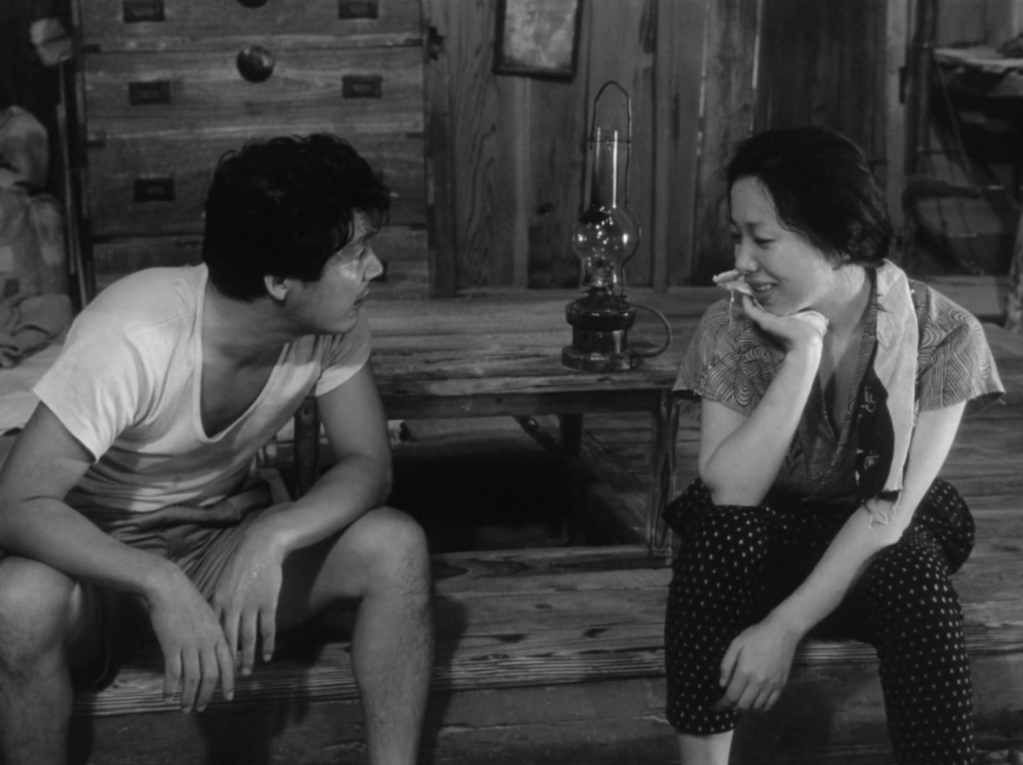
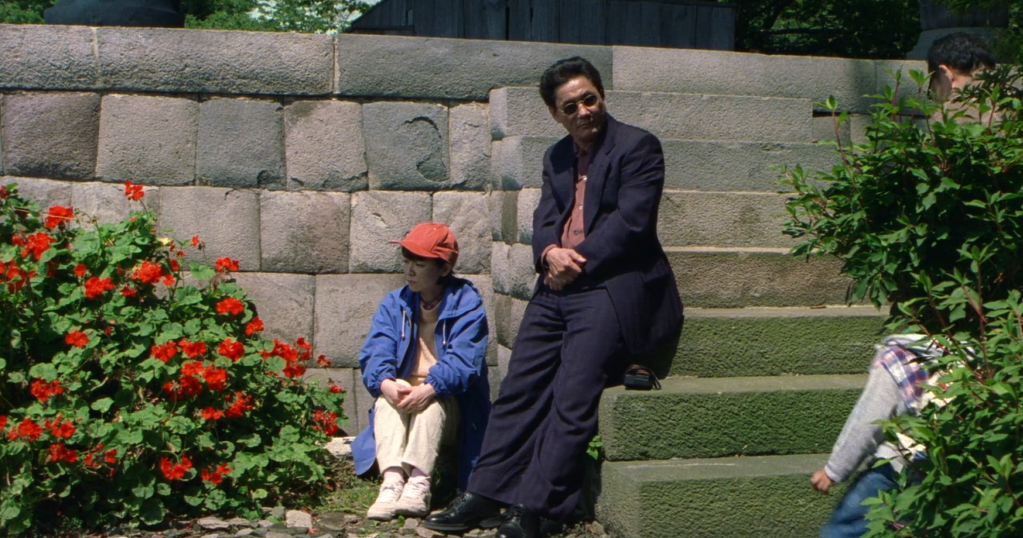
  • Flowers, fire, blood, Joe Hisaishi: Takeshi Kitano’s Hana-bi (A review)

    Flowers, fire, blood, Joe Hisaishi: Takeshi Kitano’s Hana-bi (A review)

    This review contains mild spoilers.

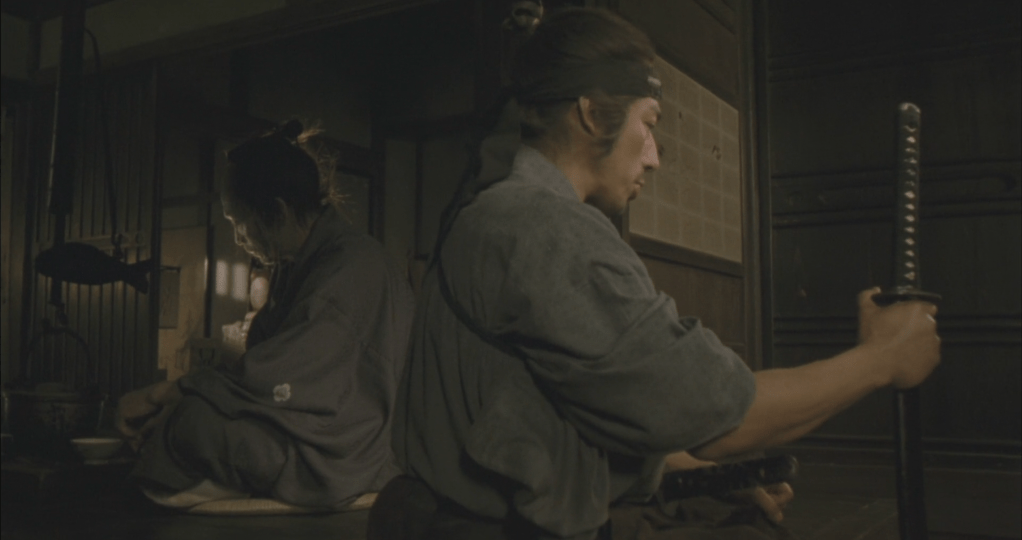
    Man commits a crime for the sake of his beloved is a tale as old as time. But Takeshi Kitano took this familiar narrative and flourished it with painful, understated, and at times violent beauty to set off a spectacle worthy of the title Hana-bi (Japanese for ‘fireworks’), his Golden Lion-winning 1997 masterpiece.

    The title itself reveals two of the film’s prominent motifs: flowers (花, hana) and fire (火, hi/bi), more specifically, gunfire. Hana-bi, usually tagged as a “crime drama” in reviews and synopses online, almost fetishizes these motifs if not for the curious and quietly visionary way that Kitano directed this work.

    A great example of what I’m talking about is a scene in the film’s second half where the camera pans over a painting of tiny yellow flowers that are also the kanji for “hikari” (光, ‘light’). It then zooms out to reveal the flowers falling into a serene snowscape. The calmness is jolted when the word “suicide” is revealed to be painted in big, bold, scarlet kanji, marring the pure landscape. The film then moves to a bloody real-life scene, before returning to the painting, now splattered with scarlet paint as a character pulls the trigger of an unloaded gun. This seamless blend of serenity and violence, present throughout the film, culminates in a finale that is one for the books.

    My thoughts on this film wouldn’t be complete without mentioning Joe Hisaishi’s score. I might be biased because I am such a big fan of his wonderful work with Studio Ghibli. But it was so satisfying to hear a familiar style right at the opening sequences and be pleasantly surprised to see Joe Hisaishi’s name as the scorer. Hana-bi, it turns out, was already his fourth collaboration with Kitano.

    The effect of Hisaishi’s score is heightened by how camera movements were so sparse that even “action” sequences were stylistically plain. With this, the score became instrumental in dictating “movement” and not just mood. It was equal parts pensive and brooding, giving the feeling that something is brewing that will explode and shock.

    And shock it did. The ending is as ambiguous as it gets, leaving the audience postulating what happened. And in that final shocker lies the X factor as to why this film is a cult favorite, in the vein of Fight Club. Hana-bi seemed to have treated death and violence flippantly, but it is not a film to teach about morals. However, it is not hollowed of substance, either.

    Indeed, in Japanese culture, the word used for the phenomenon called “double suicide”, shinjuu, is formed through the characters for “heart” and “center/inside” (心中), reflecting the inextricable link between the participants of such sad endeavor. It’s an open question whether this was the fate of some of the characters, but such oneness reminds us that life and death, and beauty and violence, are not just intertwined—they are inseparable.
  • Harmony or distraction? Music in Listen to the Universe (A review)

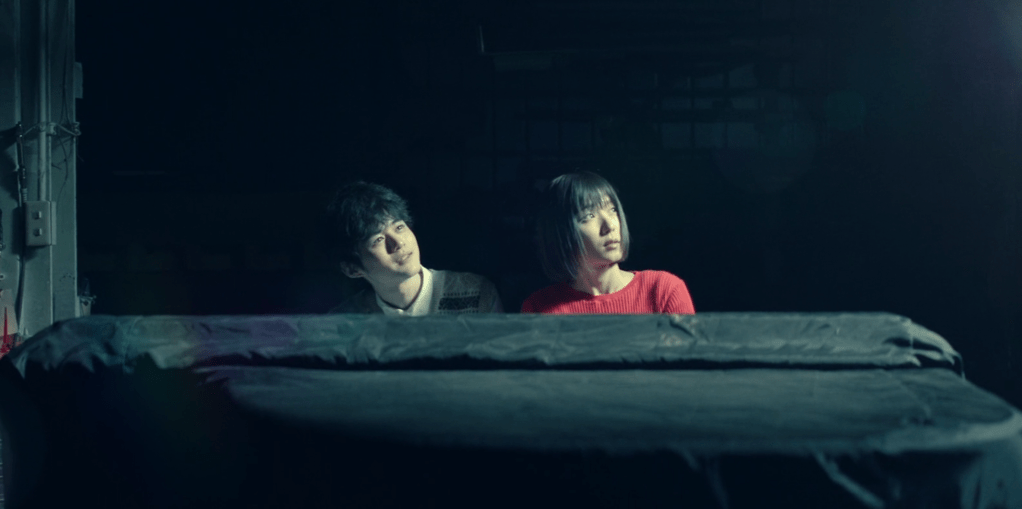
    Harmony or distraction? Music in Listen to the Universe (A review)

    Here’s a little trivia about the Oscars: Did you know that there is an existing category called Best Original Musical in the Academy Awards? However, since it was established in 2000, no year has seen enough original musical films (read: not an adaptation) for a competition to be considered (there must be at least 10).

    But the thing in the rules for this category that made me remember that trivia in relation to Listen to the Universe is the qualification of narrative relevance. To be considered, the music in the film “must further the storyline of the motion picture.” This is different from the film’s score, or say, a soundtrack that goes with the movie but exists outside of the narrative, both of which usually only serves to heighten the emotional aspect of the work.

    I am bringing this up because in the case of Listen to the Universe, the music and the musicianship of the four competing young concert pianists are too much at the center of the story that it begs the question: Do these musical pieces, especially the classical ones, “further the storyline of the motion picture?”

    There’s no question about whether music belongs in the film; the score is expertly crafted. But how does Clair de Lune or Rachmaninoff’s Piano Concerto no. 3 move the story forward? Why were these pieces chosen and not the others? While undeniably beautiful and significant, they ended up stealing the show without contributing much to the plot or character development. Their complexity, while impressive, can be intimidating to ordinary viewers, narrowing the film’s potential audience.

    This point about “ordinary people’s music” versus the highfalutin fare that the elite usually enjoys has been tackled but quite insufficiently to make a solid emotional impact. Aside from that, the film also attempts to explore a range of other themes: artistic inspiration, the nature of genius, and the purpose of art in the artist’s life.

    But with four distinct performers, it struggles to dive deeply into any one theme. The subplot involving one character’s journey with grief, which seems to be the movie’s emotional core, feels underdeveloped and doesn’t quite land, although the character’s rousing final performance offers a brief emotional payoff.

    That said, Listen to the Universe has its strengths. While none of the actors are actual concert pianists, their performances—directed by Kei Ishikawa—are convincing. Along with nimble editing, the film made virtuosos out of them.

    And where the film falters in using music as diegetic sound, it compensates with a striking score. The score and the visuals work together, contrasting or complimenting each other to heighten the “textures” or the “feel” of various scenes so that in some ways, the harmony between humanity and the universe that the title evokes somehow rings true.

  • Not a review: An initial survey of Japanese cinema

    Not a review: An initial survey of Japanese cinema

    Full list here with ratings and short reviews for each film: https://boxd.it/CUx1G

    One of my movie-watching goals this 2025 is to dig deep into Japanese cinema. I thought about going the auteur way (i.e., watch movies by director) but I felt like I wanted to do a proper survey that covers the diversity of what Japanese cinema has to offer in terms of style, themes, genre, and form. With that in mind, I thought that going over all the winners of the Japan Academy Film Prize Picture of the Year award would be a good start.

    I understand the limitations of this approach. In terms of historical scope, the Japan Academy awards has only existed for 48 years. I view this positively as I didn’t want to dive head on into older works while I try to get used to how the Japanese create films, both in form and content.

    Secondly, film academy awards such as the Oscars and the BAFTAs are not always viewed positively for a myriad of reasons, and the Japan Academy Film Prize is not an exception. However, I chose to watch this list first, and not, say, Kinema Junpo’s list of Best Films (annual, not the top 100), because the fact remains that academy awards are unique in that they are chosen by those who work in the film industry itself–producers, directors, actors, editors, cinematographers, etc. I’m always fascinated by how artists view theirs and others’ works, vs. non-artists, critics and the masses (all of which are also equally important constituencies). I think this kind of reflexive exercise is all the more important in the motion picture arts, which almost always involve more than one person in the creation process.

    Are these movies the best that Japanese cinema can offer? The word “best” is always contentious, and admittedly, some of the works in this list I personally thought were undeserving given the competition they had during the years they were given the award. Some were downright disappointing. Curiously, it doesn’t have one film by one of the two “winningest”** directors in Japanese cinema, Akira Kurosawa, although he wrote the screenplay for one. (The other winningest director, Shohei Imamura, has three in the list).

    But some have also been universally acclaimed, within and outside Japan. There lies the other thing I was thinking why I wanted to begin with this list. I felt like this is a way for the Japanese film industry to say which films are best for them, that is, according to their own terms and not the terms of the West or Hollywood. Throughout the history of Japanese cinema, Orientalism has been a consistent issue both within the industry and among critics and scholars. Japanese cinema has been curiously seen as “the Other” in contrast to Hollywood/Western cinema, and outsiders have tended to simplify what kind of good should be expected of films from Japan. So while I personally think that Akira Kurosawa is really up there among the great filmmakers of the world and of all time, the fact that he is not in this list is less about him not deserving it but more of recognizing works and filmmakers that have not necessarily made a name in the West but have made significant achievements in appealing to the sensibilities of the local Japanese film audience and industry.

    The films on this list are a very diverse bunch. Aside from two animated movies (both from the legendary Hayao Miyazaki), it has two Godzilla movies, family dramas, a head-spinning psycho-horror, films about dancing, films about dying moms (among five total films about old age!), coming-of-age films, and of course period films and samurai films. I think Ken Ogata has the most lead actor appearance in these films. Some of these are thoroughly entertaining, some requires much patience with the long takes and sparse dialogue and plot that would ultimately be satisfying in the end.

    These are 45 movies and can take a while to get through, but if you’re interested, here are my favorites from each decade:

    1970s-80s

    • A Taxing Woman, dir. Juzo Itami (1987)
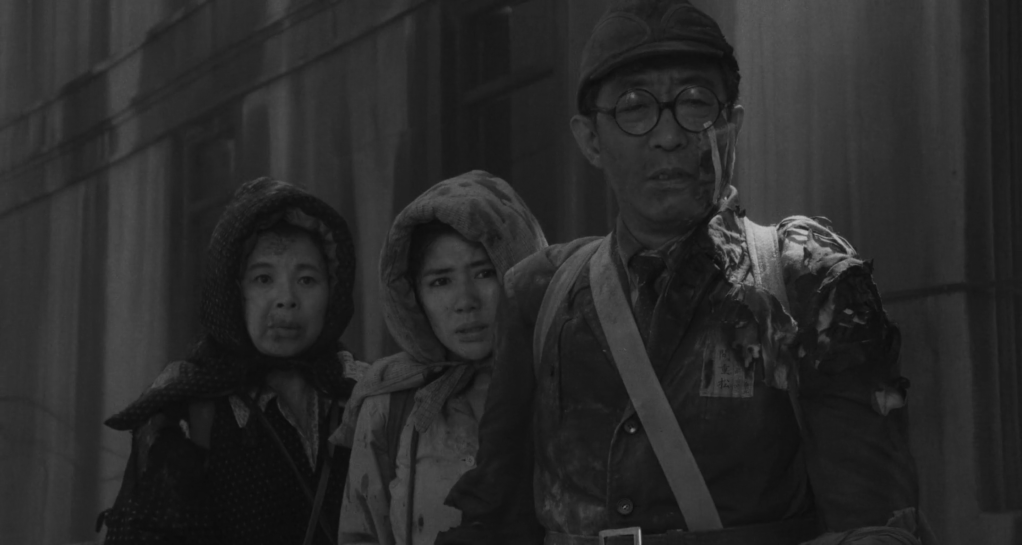
    • Black Rain, dir. Shohei Imamura (1989)
    • The Ballad of Narayama, dir. Shohei Imamura (1983)

    1990s

    • My Sons, dir. Yoji Yamada (1991)
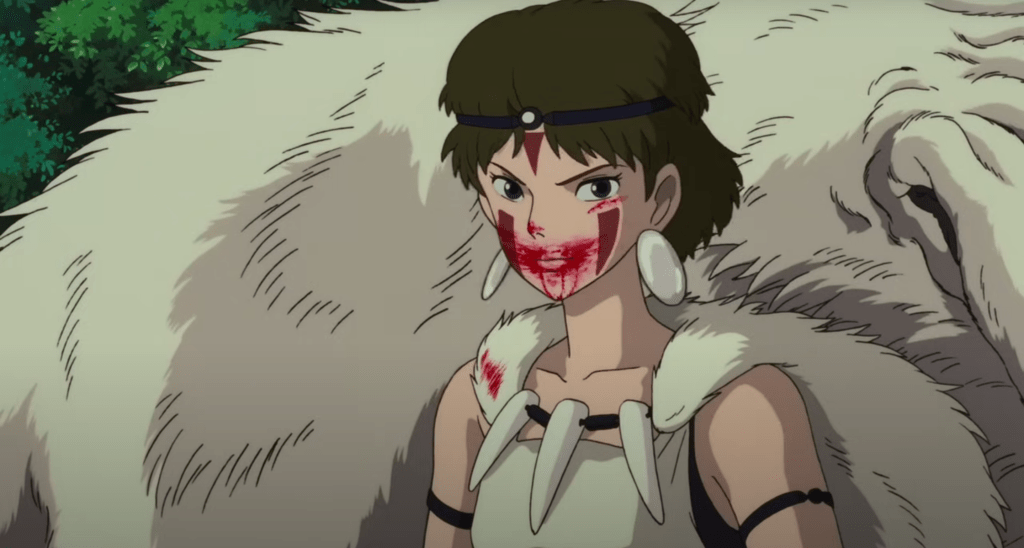
    • Princess Mononoke, dir. Hayao Miyazaki (1997)
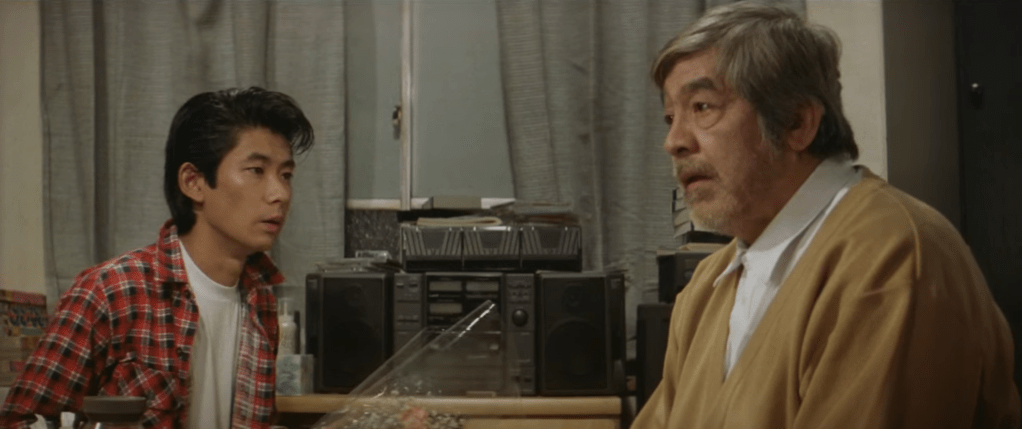
    • Begging For Love, dir. Hideyuki Hirayama (1998)

    2000s

    • The Twilight Samurai, dir. Yoji Yamada (2002)
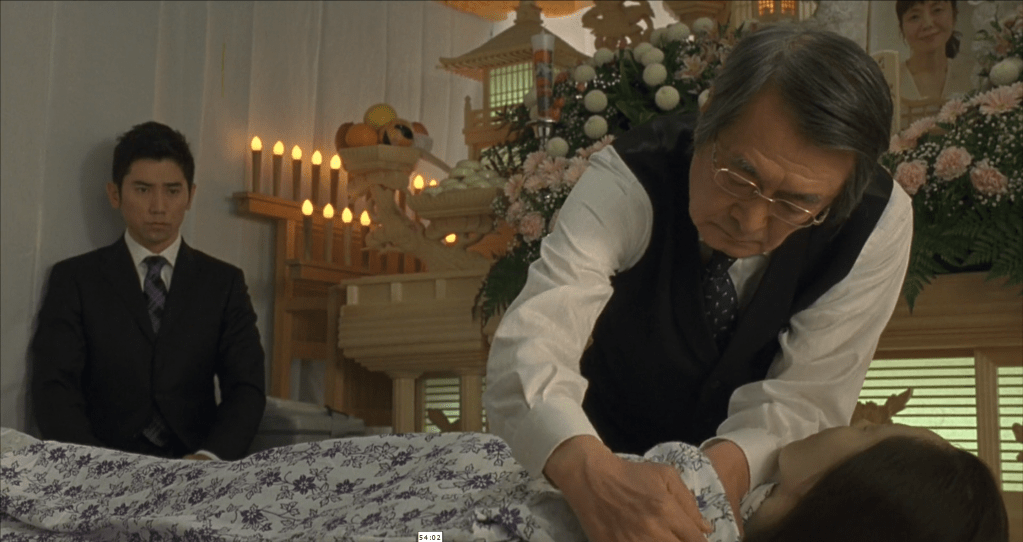
    • Departures, dir. Yojiro Takita (2008)
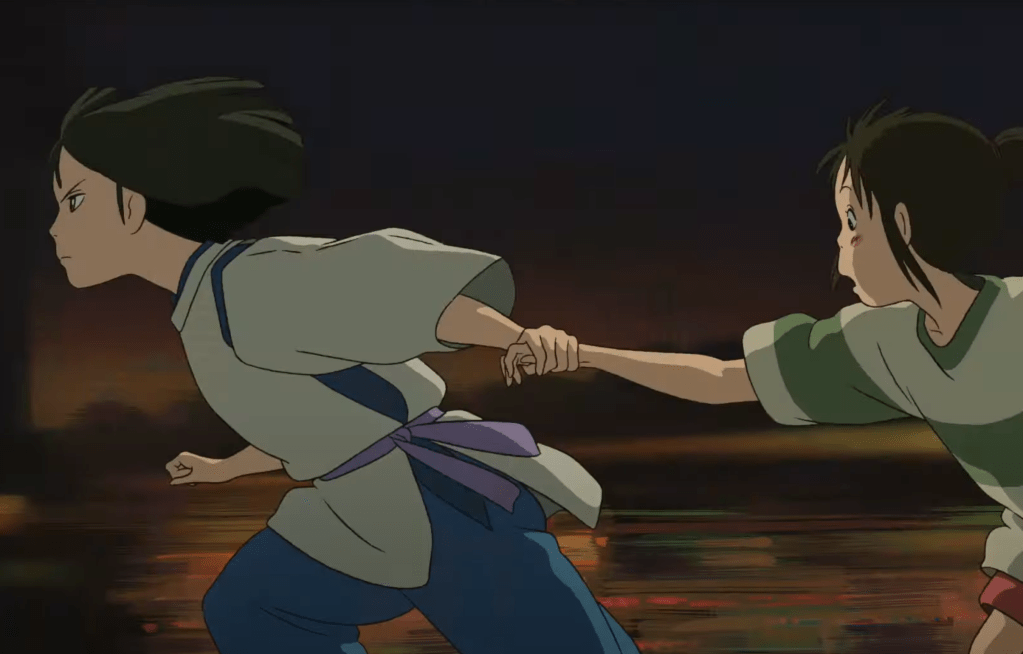
    • Spirited Away, dir. Hayao Miyazaki (2001)

    2010s

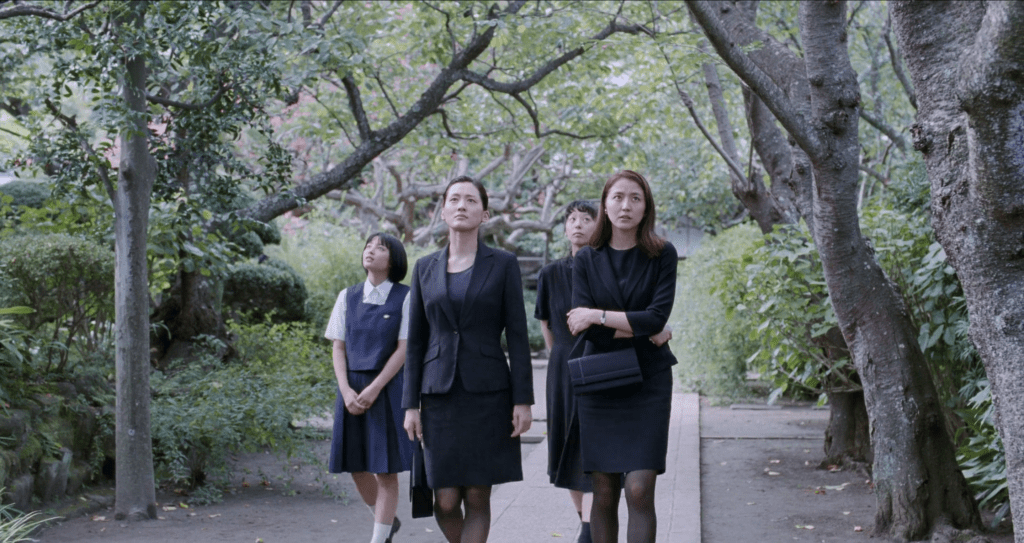
    • Our Little Sister, dir. Hirokazu Kore-eda (2015)
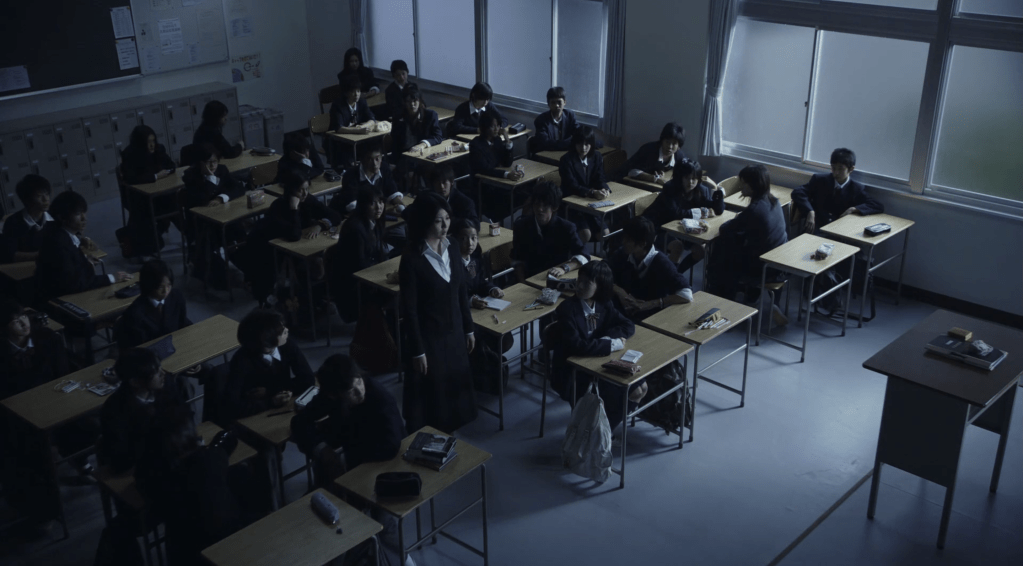
    • Confessions, dir. Tetsuya Nakashima (2010)
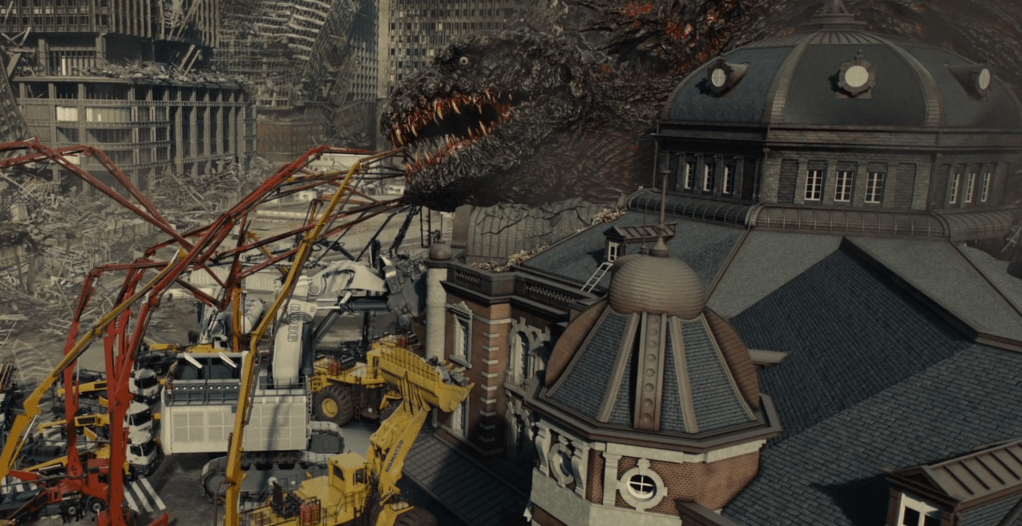
    • Shin Godzilla, dir. Hideaki Anno (2016)

    2020s

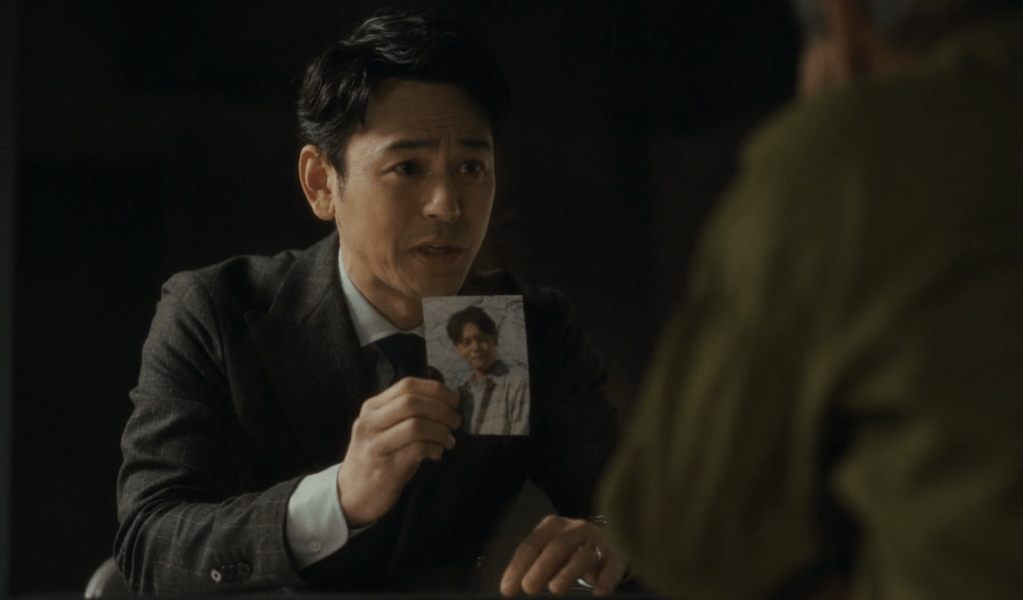
    • A Man, dir. Kei Ishikawa (2022)

    Have you watched any of these 45 films? What are your thoughts and favorites? Let me know in the comments!

    *I can’t find any way to watch Half a Confession (2004) and Rebirth (2011).
    **Obtained the most number of Best Film awards from the five longest-running film awards in Japan since 1946: Kinema Junpo, Mainichi Concours, Blue Ribbon, Hochi, and Japan Academy. Both Kurasawa and Imamura have seven.

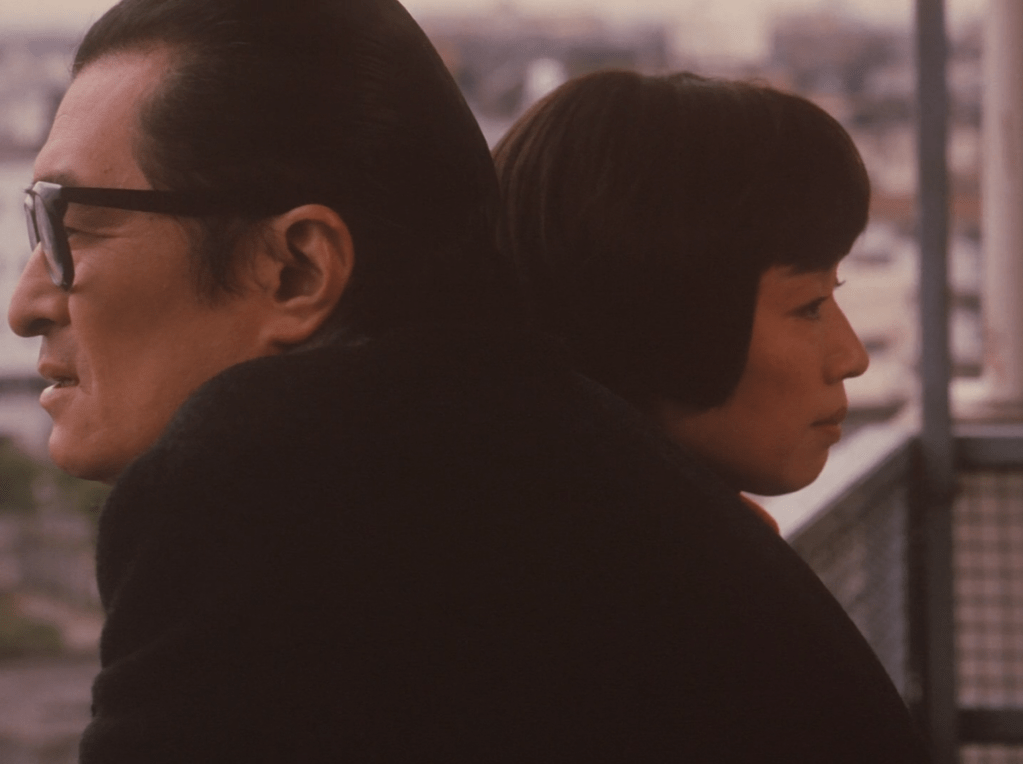
  • Woman in the Dunes, dir. Hiroshi Teshigahara (1964)

    Woman in the Dunes, dir. Hiroshi Teshigahara (1964)

    “Isn’t it exhausting, walking around so aimlessly?”

    Those searing and profound words, uttered by the titular character and what I think is the core of the film’s pathos, would find incredible vindication in the unfolding of this ambitious work of cinema. I usually write these “reviews” as if I’m thinking out loud, but the experience of watching Woman in the Dunes is so astounding I’m still trying to organize my thoughts on the breadth and depth that this film explored regarding the fundamentals of human nature.

    The narrative premise of the film is not unique but as with other great films, the proof is in the showing (and not just the telling). The camera work in this film is one of the most effective I’ve seen in Japanese cinema, making you feel what’s happening more than just making you know. The hyper close-up shots of skins, eyes, hair, and pores, juxtaposed with shots of slow-moving sand dunes buffeted by the wind are not just claustrophobic—they’re carnal. There’s such a sensual quality to the images of the dunes dripping like bodily fluid, but the hydraulic quality also gives off the sense that the dunes are about to fall on you and trap you, in the way they threaten the characters. The claustrophobia gets to your skin then through to chill your bones, as if you’re watching horror fare without the ghosts and the jump scares.

    But just as the oasis have to be dug up so are the more precious gems of film can be found deeper in the story. Aside from being a visual treasure, this film is a commentary on our understanding of the basest drivers of human existence, those that set us apart from animals. It is a debate between tradition and modernity, between self and community, between being firmly rooted and starting anew. Throughout the film, one will be disappointed by how contented people can be in situations that seem to hostage them, until one realizes that they themselves might also be in situations where they are “trapped” yet have no will to get out because that’s what they have been used to. Habit then becomes the enemy of progress and freedom. Or is it? Are progress and freedom even that desirable? Those are some of the big questions that this movie leaves.

    I didn’t mind how the movie is quietly triumphalist in the end. First, because it was not patronizing. Second, and more importantly, the film earned it both narratively and emotionally. By emotionally, I meant that the film retained its pathos while being satisfying in the end. There is resignation, yes, but there is also hope, purpose, and creativity, those qualities that set us apart from other creatures and ensured the survival of our species from the beginning.

  • Maborosi, dir. Hirokazu Kore-eda (1995)

    Maborosi, dir. Hirokazu Kore-eda (1995)

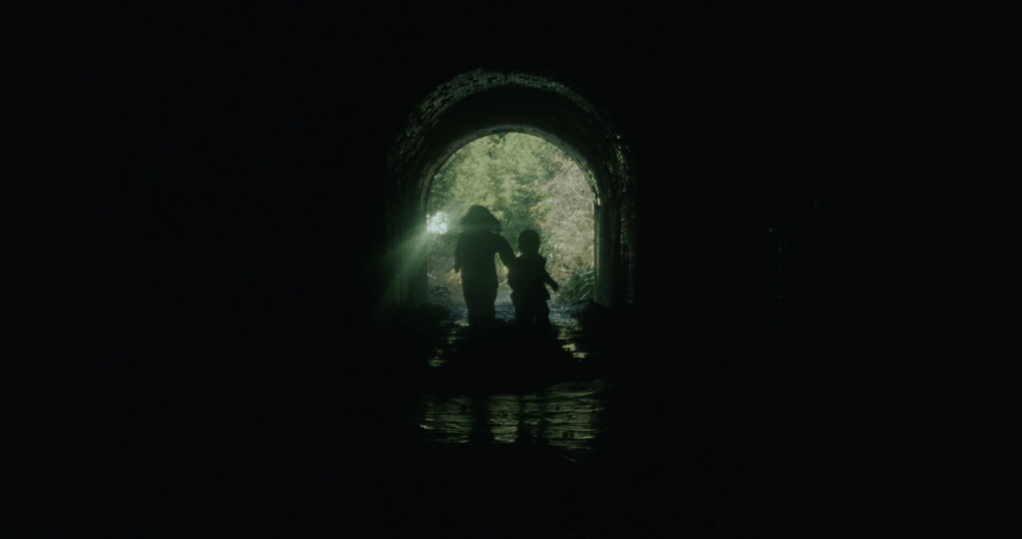
    Light is the language of cinema, and this work is an embodiment of that fundamental truth about films. In Hirokazu Kore-era’s first full-length narrative feature, light is not just what goes into the camera—it is a character of its own masterfully directed to play a silent but important role in the story of a quietly unfolding grief. The film, after all, is called Maboroshi no hikari, or an illusion of light, and while that refers to an important plot point, it is nevertheless an appropriate reflection of the way Kore-eda worked low-key magic with how he wielded light in this film.

    This film is patient, and it is smart about where to spend what kind of shot and for how long. As such, it requires the same patience from its audience. Sequences and scenes are not lingering here, they are downright long in a way that the passage of time fills you. The story is actually very, very simple and is captured in a penultimate scene but I believe that the point of the film is to elucidate humanity in sadness through visual storytelling. 

    That the film is full of long takes doesn’t mean it’s boring. On the contrary, I think this is one of Kore-eda’s most beautifully shot movies. From the raw but cleanly composed urban scenes of Osaka, to the breathtaking wide-angle sweeps of the ocean in a coastal town along the Sea of Japan, this movie has that signature Kore-eda polish while still somehow looking very grounded. Masayuki Suo’s Shall We Dance? and its similar mise-en-scene that is almost feels unstaged came to mind while watching. My favorite is the funeral procession scenes, both the overhead shot and the ultra-wide shot backgrounded by the sea and a dark sky. They are unassuming but they are two of the most memorable I’ve seen so far in Japanese cinema. 

    As I’ve been tracking year’s best Japanese films based on awards from the 40s to the present, I thought that Maborosi would have a place among those honored for 1995. But that year was dominated by A Last Note of veteran director and screenwriter Kaneto Shindo, winning all best film honors from the five longest-running awards that year and deservedly so. (Maborosi was very hot in the international festival circuit though). I think it’s always futile to compare which is the better film in context of awards because of myriads of reasons (incl. differences in awards constituencies, etc.). However, if one wants to know the best films in Japan in 1995, Maborosi would definitely be among them. Heck it was in Roger Ebert’s year-end best-of-the-year list.