Full list here with ratings and short reviews for each film: https://boxd.it/CUx1G
One of my movie-watching goals this 2025 is to dig deep into Japanese cinema. I thought about going the auteur way (i.e., watch movies by director) but I felt like I wanted to do a proper survey that covers the diversity of what Japanese cinema has to offer in terms of style, themes, genre, and form. With that in mind, I thought that going over all the winners of the Japan Academy Film Prize Picture of the Year award would be a good start.
I understand the limitations of this approach. In terms of historical scope, the Japan Academy awards has only existed for 48 years. I view this positively as I didn’t want to dive head on into older works while I try to get used to how the Japanese create films, both in form and content.
Secondly, film academy awards such as the Oscars and the BAFTAs are not always viewed positively for a myriad of reasons, and the Japan Academy Film Prize is not an exception. However, I chose to watch this list first, and not, say, Kinema Junpo’s list of Best Films (annual, not the top 100), because the fact remains that academy awards are unique in that they are chosen by those who work in the film industry itself–producers, directors, actors, editors, cinematographers, etc. I’m always fascinated by how artists view theirs and others’ works, vs. non-artists, critics and the masses (all of which are also equally important constituencies). I think this kind of reflexive exercise is all the more important in the motion picture arts, which almost always involve more than one person in the creation process.
Are these movies the best that Japanese cinema can offer? The word “best” is always contentious, and admittedly, some of the works in this list I personally thought were undeserving given the competition they had during the years they were given the award. Some were downright disappointing. Curiously, it doesn’t have one film by one of the two “winningest”** directors in Japanese cinema, Akira Kurosawa, although he wrote the screenplay for one. (The other winningest director, Shohei Imamura, has three in the list).
But some have also been universally acclaimed, within and outside Japan. There lies the other thing I was thinking why I wanted to begin with this list. I felt like this is a way for the Japanese film industry to say which films are best for them, that is, according to their own terms and not the terms of the West or Hollywood. Throughout the history of Japanese cinema, Orientalism has been a consistent issue both within the industry and among critics and scholars. Japanese cinema has been curiously seen as “the Other” in contrast to Hollywood/Western cinema, and outsiders have tended to simplify what kind of good should be expected of films from Japan. So while I personally think that Akira Kurosawa is really up there among the great filmmakers of the world and of all time, the fact that he is not in this list is less about him not deserving it but more of recognizing works and filmmakers that have not necessarily made a name in the West but have made significant achievements in appealing to the sensibilities of the local Japanese film audience and industry.
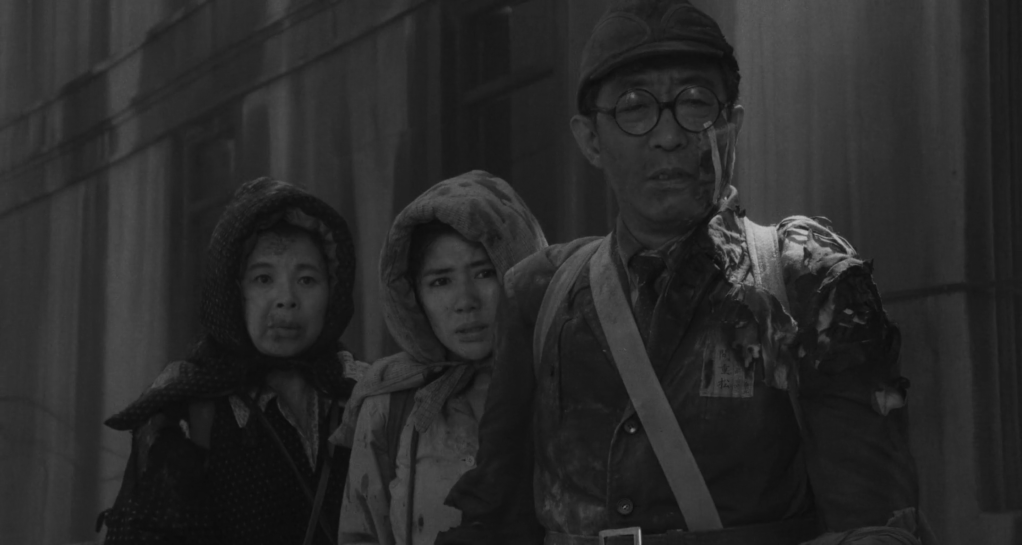

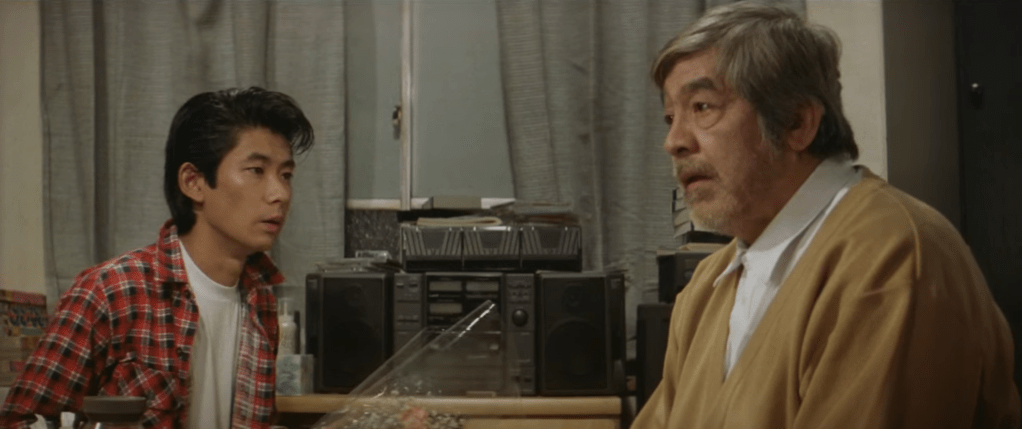
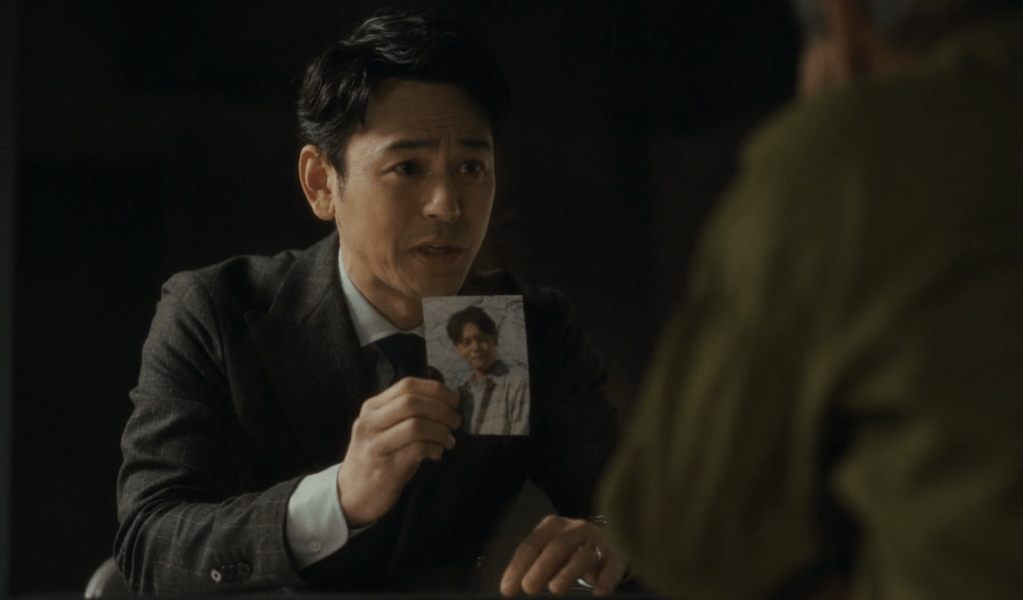
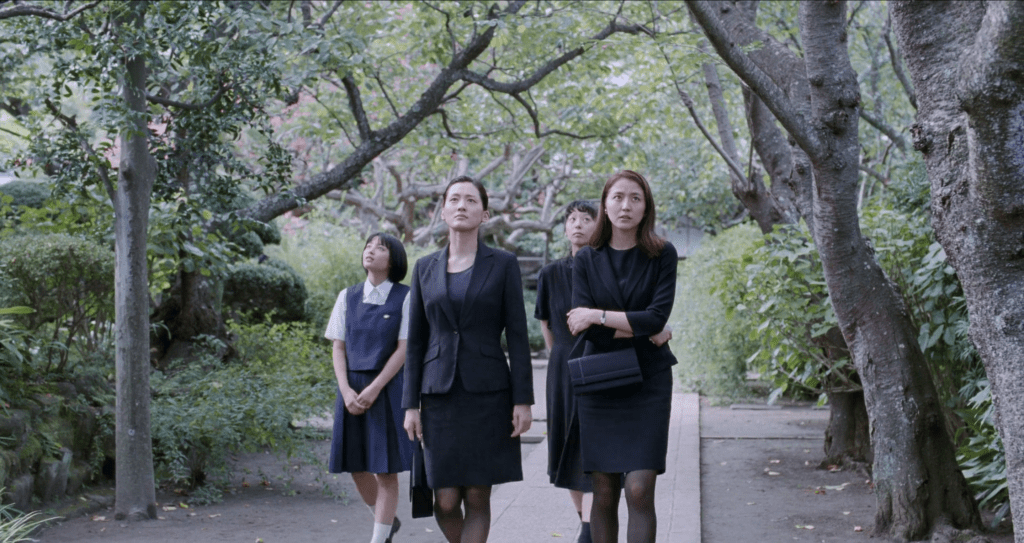
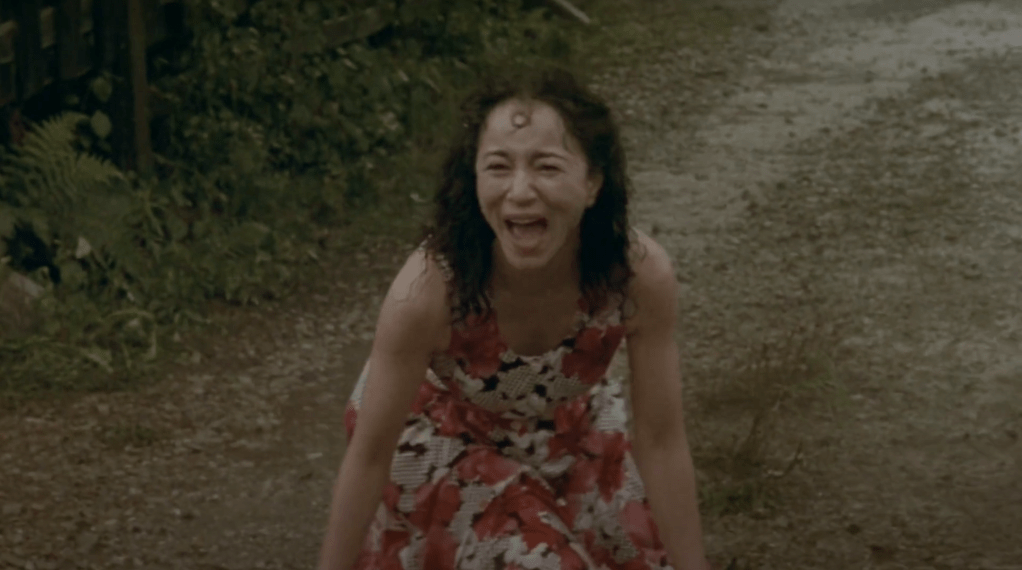
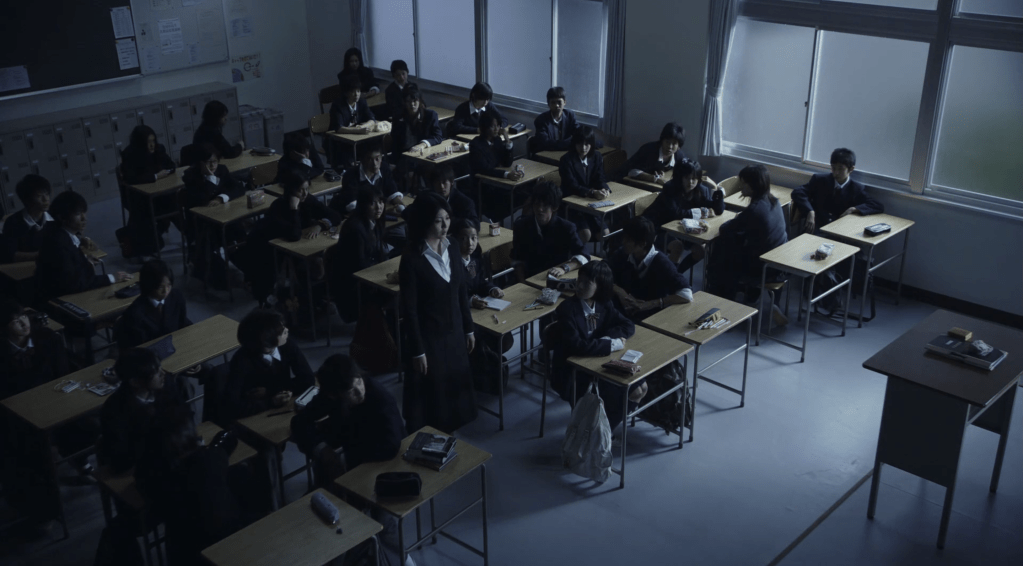

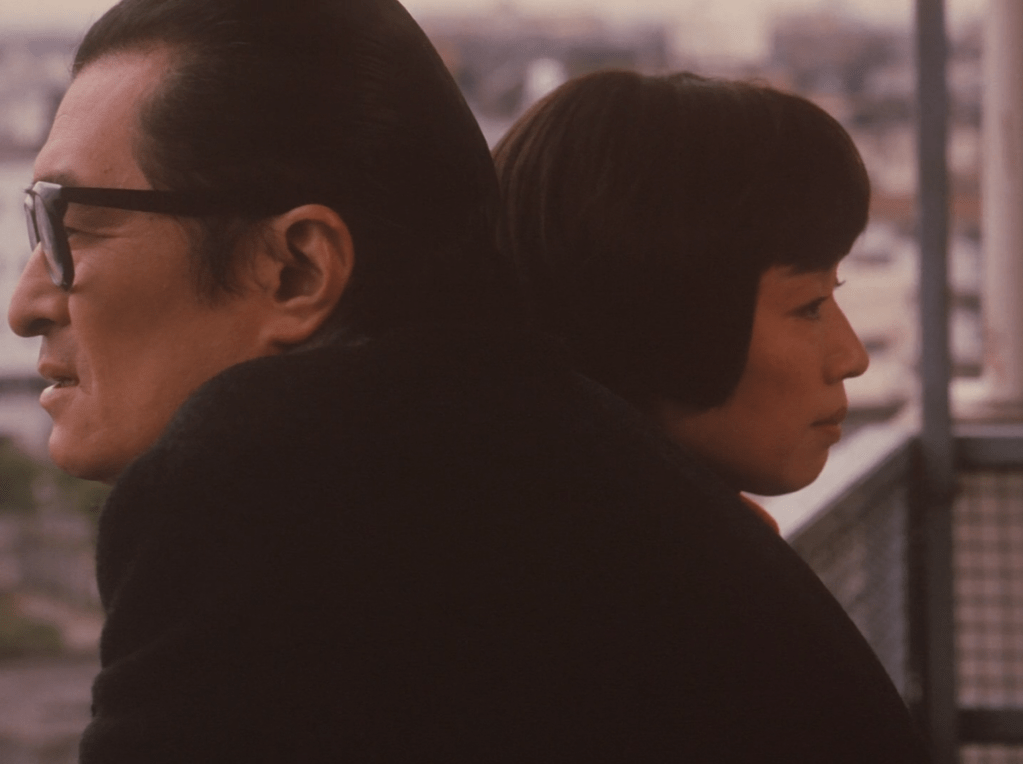
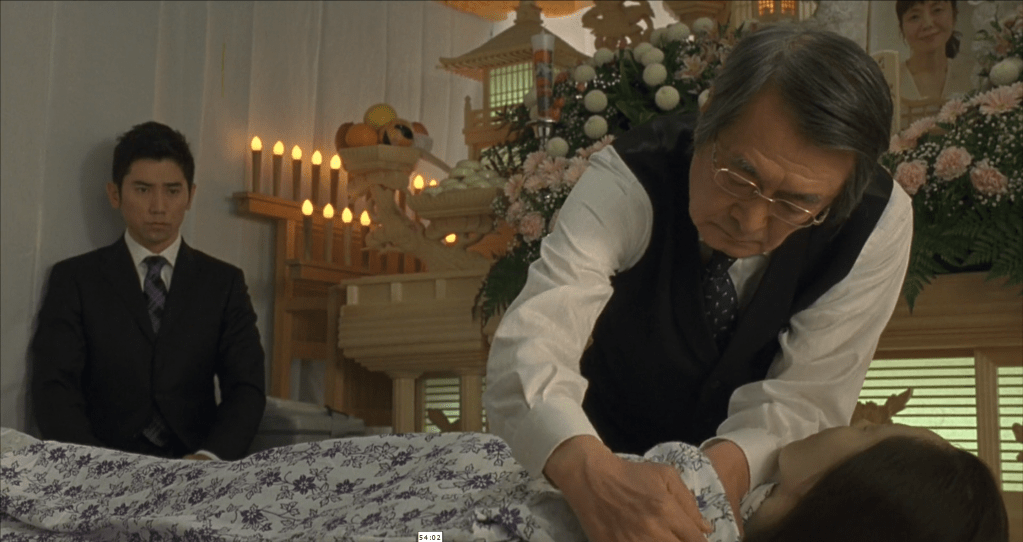
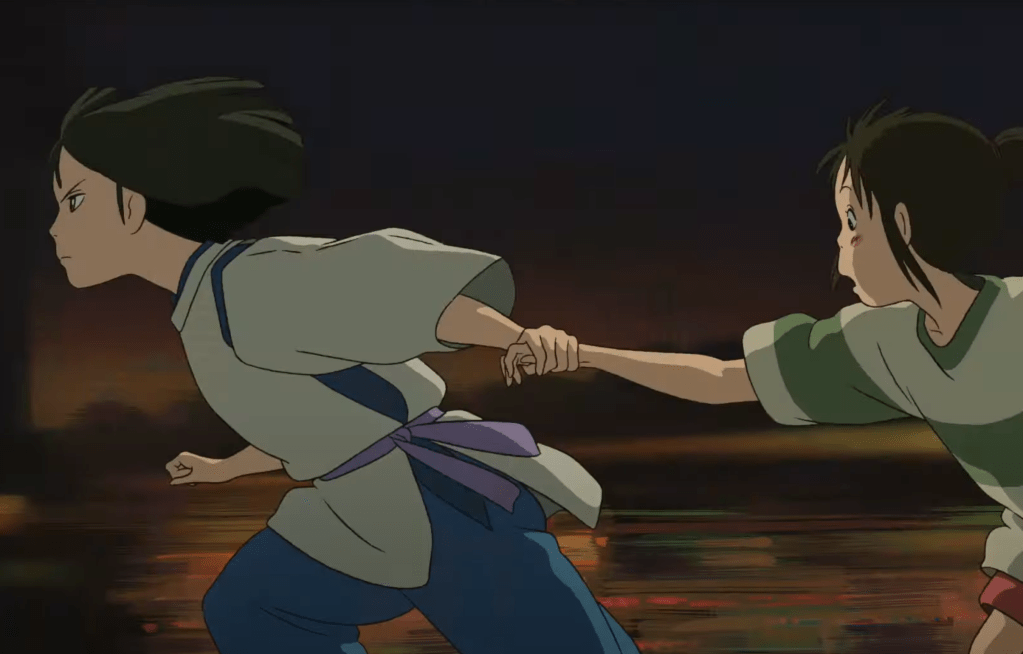
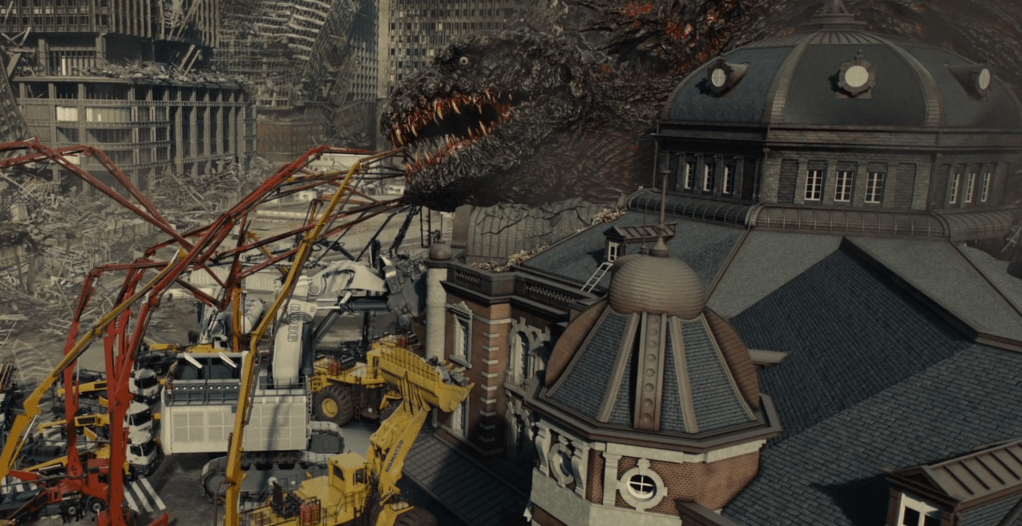
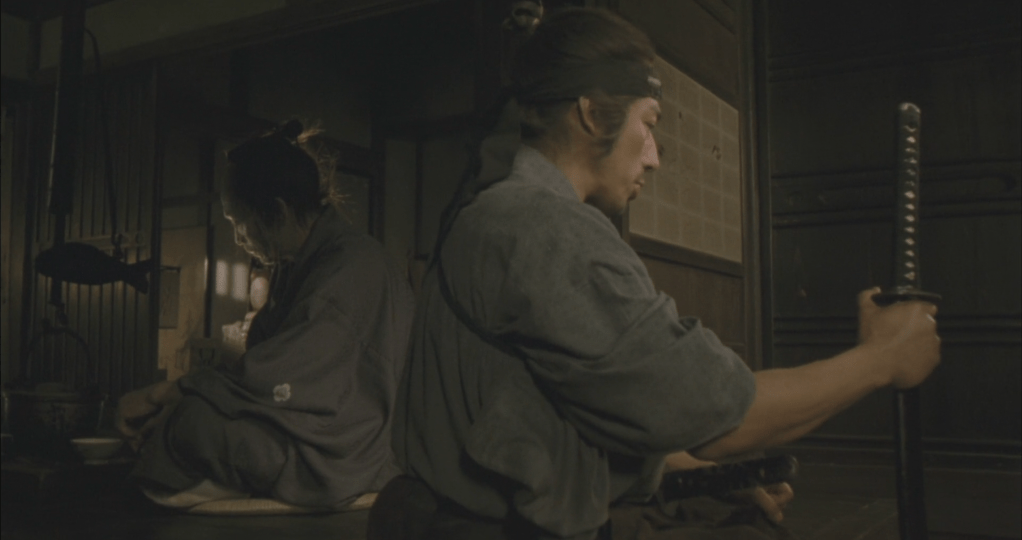
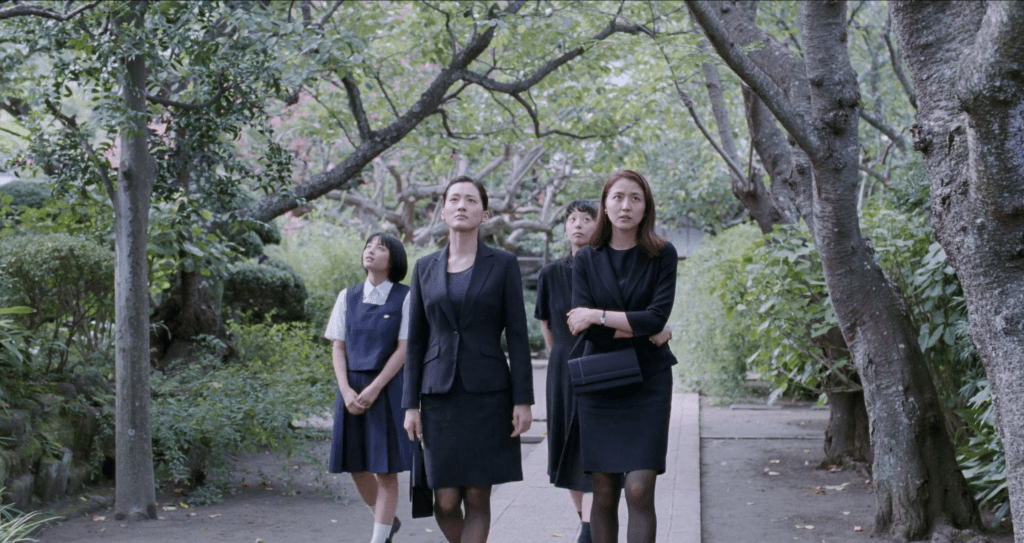
The films on this list are a very diverse bunch. Aside from two animated movies (both from the legendary Hayao Miyazaki), it has two Godzilla movies, family dramas, a head-spinning psycho-horror, films about dancing, films about dying moms (among five total films about old age!), coming-of-age films, and of course period films and samurai films. I think Ken Ogata has the most lead actor appearance in these films. Some of these are thoroughly entertaining, some requires much patience with the long takes and sparse dialogue and plot that would ultimately be satisfying in the end.
These are 45 movies and can take a while to get through, but if you’re interested, here are my favorites from each decade:
1970s-80s
- A Taxing Woman, dir. Juzo Itami (1987)
- Black Rain, dir. Shohei Imamura (1989)
- The Ballad of Narayama, dir. Shohei Imamura (1983)
1990s
- My Sons, dir. Yoji Yamada (1991)
- Princess Mononoke, dir. Hayao Miyazaki (1997)
- Begging For Love, dir. Hideyuki Hirayama (1998)
2000s
- The Twilight Samurai, dir. Yoji Yamada (2002)
- Departures, dir. Yojiro Takita (2008)
- Spirited Away, dir. Hayao Miyazaki (2001)
2010s
- Our Little Sister, dir. Hirokazu Kore-eda (2015)
- Confessions, dir. Tetsuya Nakashima (2010)
- Shin Godzilla, dir. Hideaki Anno (2016)
2020s
- A Man, dir. Kei Ishikawa (2022)
Have you watched any of these 45 films? What are your thoughts and favorites? Let me know in the comments!
*I can’t find any way to watch Half a Confession (2004) and Rebirth (2011).
**Obtained the most number of Best Film awards from the five longest-running film awards in Japan since 1946: Kinema Junpo, Mainichi Concours, Blue Ribbon, Hochi, and Japan Academy. Both Kurasawa and Imamura have seven.
 Film reviews in 500 words or fewer